
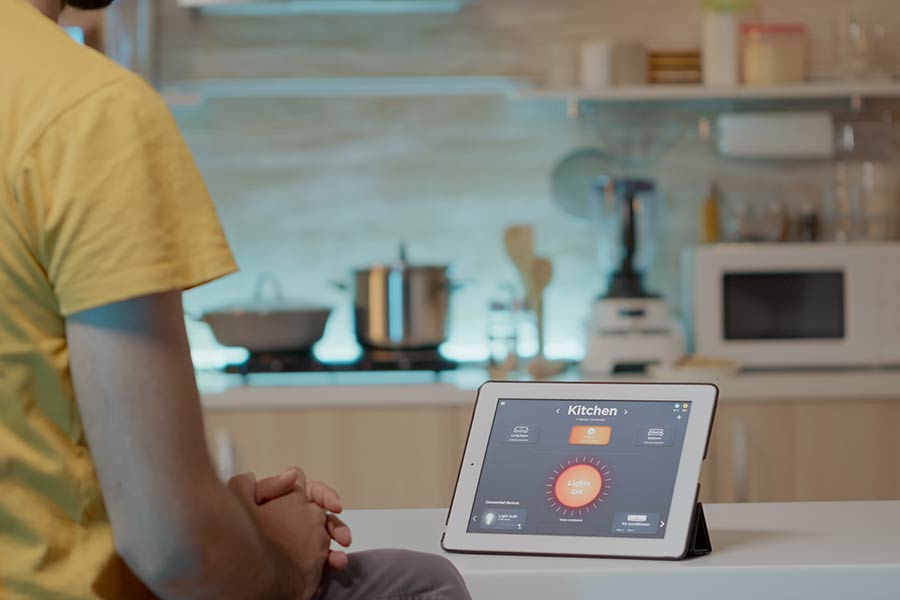
"Home automation has gone mainstream. What were once considered futuristic smart home features are now accessible and affordable. This proliferation means homeowners have more options than ever to create automated, connected living environments that simplify and enhance daily life. This article explores the most popular smart home features that leading technology brands are innovating in 2023. We’ll examine what’s fueling adoption of these key categories and share expert insights for leveraging them in your space.
Defining the Smart Home
Before diving into specific features, let’s briefly recap what constitutes a smart home. At its core, a smart home uses technology to monitor, automate and control home systems like:
- Lighting, electrical and window coverings
- Heating, cooling and humidity
- Home appliances and kitchen electronics
- Home entertainment systems
- Security sensors, cameras and access controls
- Outdoor systems like irrigation and landscape lighting
“Smart homes aim to enhance daily experiences through convenience, efficiency, accessibility and peace of mind,” said Michelle Brown, technology industry analyst. Key enablers like broadband internet, smart assistants and smartphones allow these systems to be remotely monitored, automated and orchestrated.
Most Popular Smart Home Features
Leading smart home features that consumers are adopting include:
Smart Lighting and Switches
Smart light bulbs like Philips Hue and switches like Lutron Caseta allow remote lighting control from smartphones for convenience and energy savings.
Smart Thermostats
Smart thermostats learn usage patterns to automatically optimize heating and cooling. They can also be controlled remotely via smartphone.
Smart Door Locks
Locks like August allow homeowners to control access and check door status from anywhere via smartphone. Great for convenience and security.
Smart Plugs and Outlets
Smart plugs like TP-Link Kasa allow lights, fans, and other plugged-in devices to have remote and scheduled on/off control through an app.
Video Doorbells
Video doorbells like Ring show homeowners video of their doorstep any time a visitor approaches or rings for added security and convenience.
Smart Speakers
Smart speakers with voice assistants like Amazon Alexa allow hands-free, voice-driven control of other smart devices and information look-up. “These popular categories offer clear utility that improves daily living,” explained Brown.
What’s Fueling Adoption of These Features?
Several factors are driving mass adoption of the top smart home features:
Improved Technology
Advances like higher bandwidth networks, AI chips in devices, and new connectivity protocols improve performance and reliability.
Mainstream Appeal
Simplified interfaces like voice controls via Alexa make smart features accessible for everyone, not just techies.
Affordability
Prices have dropped substantially on solutions like smart bulbs and door locks, putting them within reach of average consumers.
Enhanced Security
Video doorbells and smart locks, for example, provide peace of mind in an uncertain world for homeowners.
Energy Savings
Smart thermostats and lighting controls deliver measurable savings on monthly energy bills, providing clear ROI. “It’s a perfect storm driving mainstream adoption of smart home technology,” said Brown.
Expert Predictions on Where Smart Homes Are Headed
Industry experts forecast several innovations that will expand smart homes in the future:
- “Voice control through AI assistants like Alexa is just getting started,” predicts Brown. “Soon you’ll be able to control nearly all home functions and systems through conversations.”
- “We’ll see predictive capabilities where homes know your behaviors and patterns so well they automatically adjust before you even ask,” said Gary Smith, technology futurist.
- “Appliances, cooktops and outdoor landscaping equipment will get smarter and connect to home automation systems,” explained Brown.
- “Home solar and EV charging will integrate intelligently to optimize electricity usage and manage costs,” said Smith.
- “5G networks will enable new categories of real-time smart home solutions not possible before,” added Brown.
Tips for Integrating Top Features into Your Home
Follow this guidance to effectively incorporate leading smart features:
- Focus new features on addressing core problems like security vulnerabilities or energy costs rather than novelty.
- Ensure smart products integrate well together by preferring solutions within a single ecosystem like Alexa or Apple HomeKit devices.
- Take advantage of falling prices but buy from established brands known for quality and reliability.
- Start simply with features like smart lighting or thermostats. Evaluate benefits before expanding automation.
- Consider consulting a home automation professional to design an effective, coordinated system.
“Think through how new technology can unburden you rather than just dazzle you,” advised Brown. Smart homes will continue getting even more intelligent and responsive. By understanding the top features transforming modern living plus where the market is headed, homeowners can craft future-ready living environments that enhance each day."