

Ultra HD TVs, also known as 4K TVs, have changed the way we enjoy entertainment at home with their incredibly detailed screens. With a pixel resolution of 3840 x 2160, these TVs offer four times the clarity of standard 1080p HDTVs. This significant improvement in sharpness makes movies, sports, and video games more immersive than ever.
The Impact of Ultra HD TVs on Home Entertainment
Investing in an Ultra HD TV is not just about sharper images; it's about transforming your living room into a mini-theater. The enhanced color accuracy and improved contrast ratios bring each scene to life, offering a richer and more engaging visual experience.
Why Upgrade to Ultra HD?
Upgrading to an Ultra HD TV ensures you stay at the cutting edge of technology. With content providers increasingly supporting 4K resolution, having a UHD TV allows you to enjoy the latest movies and shows in their intended quality. Additionally, gaming consoles like the PlayStation 5 and Xbox Series X are designed to leverage this higher resolution for stunning visuals.
Key Considerations When Buying an Ultra HD TV in 2024
When you're ready to buy an Ultra HD TV, several factors should influence your decision:
- Display Technology: Choose between OLED for superior contrast or LCD for affordability.
- HDR Compatibility: Ensure the TV supports advanced HDR formats like Dolby Vision.
- Size and Placement: Match the TV size to your room dimensions for optimal viewing.
- Smart Features: Look for built-in streaming capabilities that meet your needs.
- Connectivity Options: Verify sufficient HDMI ports and support for HDMI 2.1.
This guide will help you navigate these considerations to find the perfect Ultra HD TV that fits your lifestyle and preferences in 2024.
Understanding Ultra HD Technology
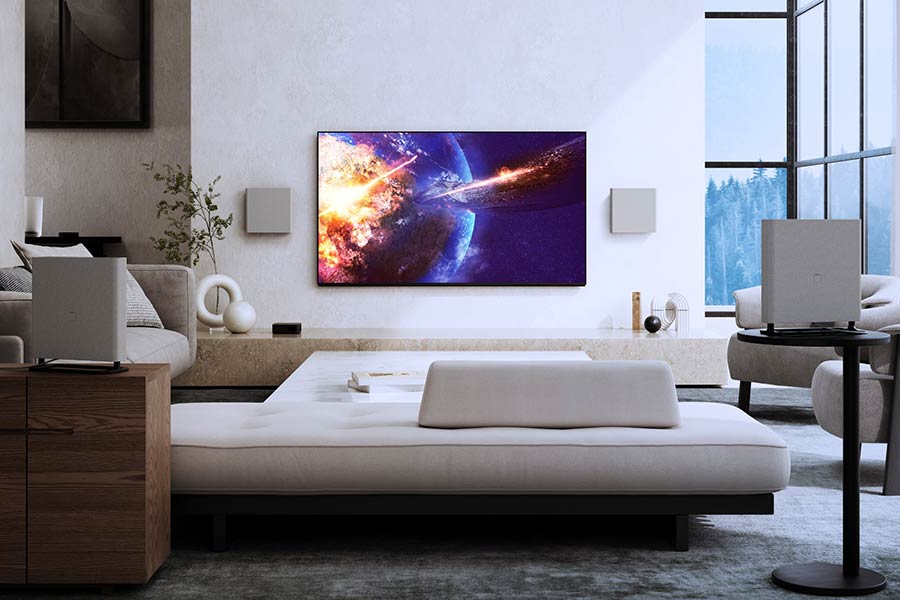
Ultra HD, also known as 4K ultra HD or UHD TV, is a major advancement in resolution standards. With a pixel count of 3840 x 2160, it offers four times the detail of traditional 1080p HDTVs. This improved resolution means sharper images and more immersive viewing experiences, especially on larger screens.
LCD vs OLED: Display Technologies Compared
When selecting an Ultra HD TV, it's important to know the differences between LCD and OLED technologies:
LCD (Liquid Crystal Display)
- Pros:
- More affordable
- Available in a variety of sizes
- Typically brighter, making them suitable for well-lit rooms
- Cons:
- Limited contrast ratios
- Narrower viewing angles
- Potential for motion blur
OLED (Organic Light Emitting Diode)
- Pros:
- Superior contrast with true blacks
- Wider viewing angles
- Faster response times, ideal for gaming and sports
- Cons:
- Higher price point
- Risk of image retention or burn-in over time
Choosing between these technologies depends on your budget, viewing habits, and room setup. LCDs are practical for brightly lit environments and budget-conscious buyers. OLEDs offer unparalleled picture quality but come at a premium cost. Understanding these differences helps you make an informed decision tailored to your specific needs.
Key Features to Consider When Buying an Ultra HD TV
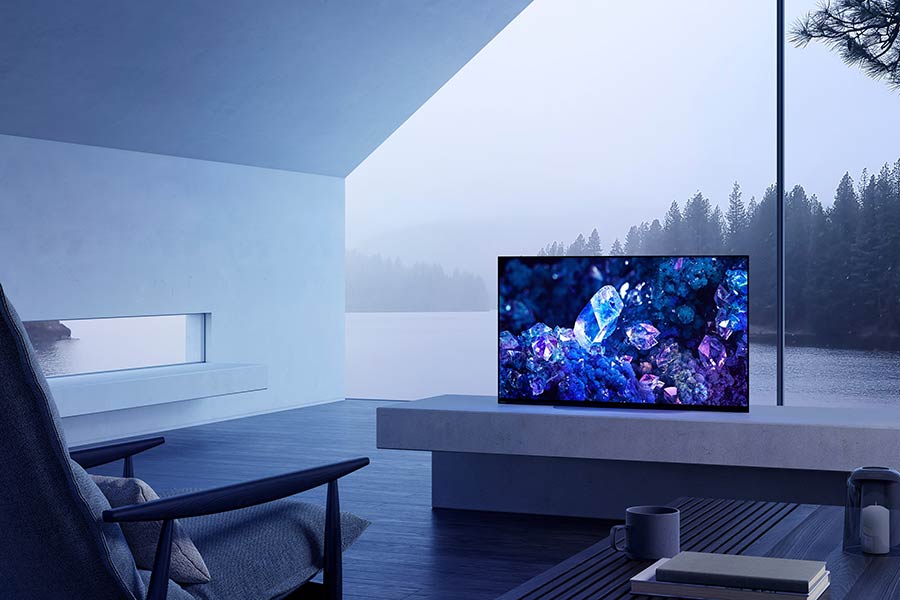
1. Exploring Display Technologies: Samsung Crystal UHD vs Sony 4K Televisions
Overview of Different Display Technologies Used in Ultra HD TVs (LCD, OLED)
When evaluating Ultra HD TVs, understanding the display technology is crucial for making an informed decision. Two primary types dominate the market:
- LCD (Liquid Crystal Display): Commonly found in many budget and mid-range televisions. LCDs use a backlight to illuminate pixels. They are generally more affordable but may struggle with contrast ratio and black levels.
- OLED (Organic Light Emitting Diode): Each pixel emits its own light, allowing for deep blacks and excellent contrast ratio. OLEDs offer superior picture quality, especially in dark scenes, but come at a premium price.
Comparison Between Samsung Crystal UHD Models and Sony 4K Television Series
Samsung Crystal UHD
Samsung's Crystal UHD series is a popular choice for those seeking high-quality 4K resolution without breaking the bank. Some key features include:
- Crystal Processor 4K: Enhances picture quality by upscaling content to 4K resolution.
- PurColor Technology: Delivers a vibrant color palette for an immersive viewing experience.
- HDR Support: Enhances contrast and color accuracy, though it may not match the performance of higher-end models.
For example, the Samsung Crystal UHD 55 offers a balance between performance and affordability, making it a solid option for budget-conscious buyers.
Sony 4K Televisions
Sony's range of 4K televisions includes various models tailored to different needs, from basic entry-level sets to high-end options like the Sony Bravia Ultra HD 4K. Notable features include:
- TRILUMINOS Display: Offers rich and natural colors by expanding the color gamut.
- X1 Processor: Improves image clarity and reduces noise for a cleaner picture.
- Advanced HDR Formats: Supports multiple HDR formats such as HDR10 and Dolby Vision for enhanced contrast and brightness.
The Sony Bravia Ultra HD 4K Model Y67890 stands out with advanced capabilities like local dimming technology and Dolby Vision support.
Key Takeaways:
- Contrast Ratio & Black Levels: OLED models from brands like Sony typically excel in these areas compared to LCDs used in Samsung's Crystal UHD series.
- Price Range: Samsung's offerings are generally more budget-friendly while still providing good performance. On the other hand, Sony's higher-end models cater to those willing to invest more for superior image quality.
Both Samsung Crystal UHD and Sony's 4K televisions bring unique strengths to the table. Understanding these differences helps you choose the best Ultra HD TV based on your preferences and budget constraints.
2. Ensuring Future-Proof Connectivity with HDMI Standards
Importance of HDMI standards for supporting advanced features like higher refresh rates
When buying an Ultra HD TV, paying attention to HDMI standards is crucial. The right HDMI port can significantly enhance your viewing experience by supporting higher refresh rates, which is especially beneficial for gaming and watching sports. Higher refresh rates ensure smoother motion and reduce blur, providing a more immersive experience.
Exploring the benefits of HDMI 2.1 compatibility in Ultra HD TVs
HDMI 2.1 offers several advantages over previous versions, making it a must-have feature in 2024:
- Higher Bandwidth: Supports up to 48Gbps, allowing for features like 4K resolution at 120Hz and even 8K resolution.
- Enhanced Gaming Features: Includes Variable Refresh Rate (VRR), Auto Low Latency Mode (ALLM), and Quick Frame Transport (QFT), ensuring seamless gameplay.
- Improved Audio Quality: Supports eARC (enhanced Audio Return Channel) for better sound quality through compatible sound systems.
Investing in an Ultra HD TV with HDMI 2.1 compatibility ensures that your setup is ready for future advancements, providing a stunning picture quality with improved contrast ratios and black levels. Whether you're considering a Samsung Crystal UHD model or a Sony Bravia Ultra HD 4K television, ensuring they are equipped with HDMI 2.1 ports will make a significant difference in your overall experience.
Top Picks for Best Ultra HD TVs in 2024
Best Budget-Friendly Option: Samsung UHD TV Model X12345
Samsung’s UHD TV Model X12345 stands out as an excellent budget-friendly option in the realm of Ultra HD TVs. It features a 3840 x 2160 pixel resolution, ensuring crisp and vibrant images that elevate your viewing experience. The model incorporates Samsung's Crystal Processor 4K, which optimizes content to deliver stunning clarity and color accuracy.
Features and Specifications:
- Display Technology: LCD with Crystal UHD
- Screen Size Options: Available in multiple sizes ranging from 43" to 75"
- HDR Support: HDR10+ for enhanced contrast and color depth
- Smart Features: Built-in Tizen OS for seamless streaming from popular services like Netflix, Amazon Prime Video, and Disney+
- Refresh Rate: Standard 60Hz, suitable for regular TV watching and casual gaming
- Connectivity: Multiple HDMI ports, USB ports, and Ethernet for versatile connectivity options
Pros:
- Affordability: One of the most cost-effective models offering high-quality Ultra HD performance.
- Ease of Use: User-friendly interface with intuitive navigation.
- Picture Quality: Sharp and vibrant image quality bolstered by HDR10+ support.
- Smart Features: Comprehensive smart TV capabilities with Tizen OS.
Cons:
- Refresh Rate: Limited to 60Hz, which might not be optimal for avid gamers looking for smoother motion during gameplay.
- Audio Quality: The built-in speakers are decent but lack the depth and richness found in higher-end models. An external sound system may be needed for a more immersive experience.
Customer reviews praise the Samsung UHD TV Model X12345 for its exceptional value. Many highlight its impressive picture quality despite the lower price point, though some mention that the audio could be improved. This model is ideal for those looking to upgrade to an Ultra HD TV without breaking the bank.
Premium Choice: Sony Bravia Ultra HD 4K Model Y67890
The Sony Bravia Ultra HD 4K Model Y67890 stands out with its advanced capabilities, making it a top-tier choice in the premium segment. This model supports Dolby Vision, enhancing the contrast and color range for an immersive viewing experience. Additionally, it features local dimming technology, which improves black levels and provides deeper contrast.
When comparing the price range of the Sony Bravia Model Y67890 to similar high-end options, it is positioned at the upper end of the spectrum. This premium pricing reflects its superior picture quality and advanced features, setting it apart from other models available this year.
Key Highlights:
- Dolby Vision Support: Enhances contrast and color range.
- Local Dimming Technology: Improves black levels and overall picture quality.
- Price Range: Positioned as a premium option, reflecting its advanced capabilities.
For those seeking a top-of-the-line Ultra HD TV, the Sony Bravia Y67890 offers unmatched performance and features that justify its higher price tag.
Where to Buy Your New Ultra HD TV? Online Retailers vs Local Electronics Stores
When deciding where to purchase your new Ultra HD TV, you have several options. Online retailers like Amazon and Best Buy offer a convenient shopping experience with access to a wide range of products and competitive prices. Some benefits include:
- Customer Reviews: You can read reviews from other buyers to gauge the performance and reliability of the TV.
- Price Comparisons: Easily compare prices across different models and brands.
- Home Delivery: Enjoy the convenience of having your TV delivered directly to your doorstep.
On the other hand, local electronics stores can provide a more hands-on experience. Visiting a physical store allows you to:
- See Display Quality: Assess the picture quality firsthand, which can be crucial for making an informed decision.
- Immediate Assistance: Get personalized advice from sales representatives who can answer your specific questions.
- Instant Gratification: Take your new TV home immediately without waiting for shipping.
Choosing between online retailers and local electronics stores depends on your personal preferences and priorities in the buying process.
The Future is Bright with Ultra HD TVs! Embrace the Next Level Viewing Experience Today!
Investing in an Ultra HD TV is worthwhile, especially with upcoming advancements like HDR10+ gaming support and Dolby Atmos immersive sound technologies. These features enhance your viewing and gaming experiences, making them more vivid and engaging.
Explore our recommended models to find the perfect Ultra HD TV that fits your personal preferences and budget constraints. Embrace the future trends in home entertainment with Ultra HD technology for a truly next-level viewing experience!