

Understanding the details of 4K and 8K TVs is important for making a smart purchase in 2024. These advanced technologies offer much higher resolutions than older models, improving your viewing experience.
- 4K TVs have a resolution of 3840 x 2160 pixels, which is four times the pixel count of Full HD.
- 8K TVs go even further with an impressive resolution of 7680 x 4320 pixels, providing unmatched clarity.
Knowing the differences between these resolutions can help you pick the right TV for your needs. This guide aims to give you a complete understanding of TV technology for 2024, helping you choose a model that suits both your budget and viewing preferences.
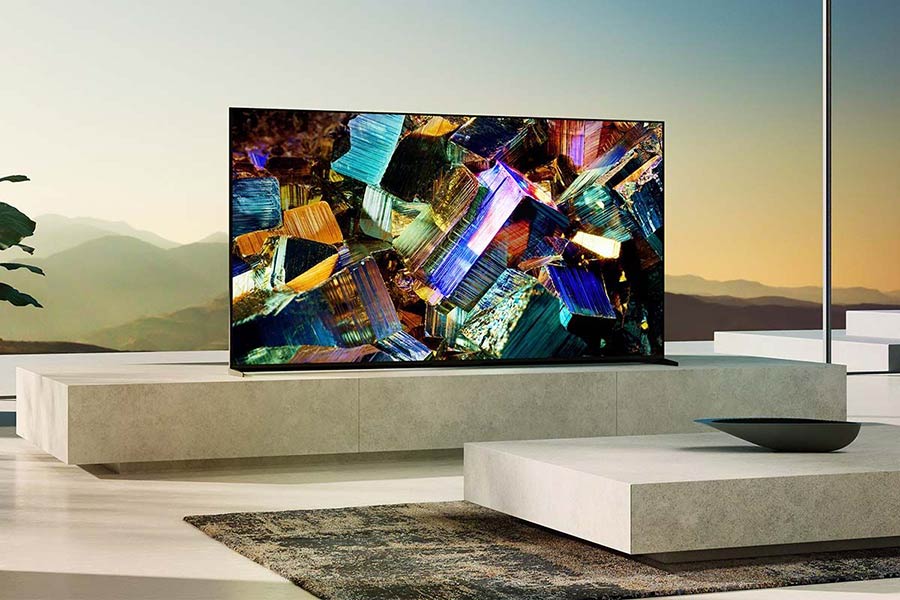
Definition of 4K and 8K Resolutions
- 4K Resolution: 3840x2160 pixels, equating to over 8 million pixels.
- 8K Resolution: 7680x4320 pixels, totaling more than 33 million pixels.
Visual Differences Between 4K and 8K TVs
The increased pixel count in 8K TVs results in finer details and smoother gradients compared to 4K TVs. For instance, when watching a nature documentary on an 8K TV, you might notice individual leaves on a tree or subtle textures on animal fur that would be less defined on a 4K TV.
Impact of Pixel Density on Picture Clarity and Viewing Experience
Higher pixel density enhances visual clarity, particularly noticeable on larger screens.
- 4K TVs provide excellent clarity up to approximately 65 inches.
- 8K TVs excel in larger sizes (75 inches and above), maintaining sharpness and detail even at close viewing distances.
Pixel density plays a crucial role in creating immersive viewing experiences, making both resolutions ideal for different preferences based on screen size and viewing distance.
Choosing the Right Screen Technology
When selecting a TV, understanding the different screen technologies is crucial. Each type—LCD/LED, OLED, and QLED—offers unique advantages and drawbacks.
LCD/LED
LCD (Liquid Crystal Display) TVs, often backlit by LEDs (Light Emitting Diodes), are prevalent and generally more affordable.
Pros:
- Brightness: Ideal for well-lit rooms.
- Cost: Typically cheaper than OLED and QLED.
- Variety: Wide range of sizes and models.
Cons:
- Contrast: Lower contrast ratios compared to OLED.
- Viewing Angles: Picture quality degrades at wider angles.
OLED
OLED (Organic Light Emitting Diode) TVs use organic compounds that emit light when an electric current passes through.
Pros:
- Contrast: Superior contrast with true blacks.
- Viewing Angles: Excellent from any angle.
- Thin Design: Typically thinner than other types.
Cons:
- Price: Generally more expensive.
- Brightness: Not as bright as LED/LCDs.
QLED
QLED (Quantum Dot LED) TVs, primarily marketed by Samsung, utilize quantum dots to enhance brightness and color accuracy.
Pros:
- Brightness: Extremely bright, suitable for various lighting conditions.
- Color Accuracy: Vivid and accurate colors.
- Longevity: Longer lifespan compared to OLED.
Cons:
- Contrast: Not as deep blacks as OLED.
- Cost: Can be pricier than standard LCD/LEDs but usually less than OLEDs.
Choosing the right screen technology depends on your viewing habits, room lighting conditions, and budget. For instance, if you prioritize deep blacks and wide viewing angles, OLED might be your best bet. Conversely, if you're looking for a bright display at a lower cost, an LCD/LED could be more suitable.
Smart TV Functionalities
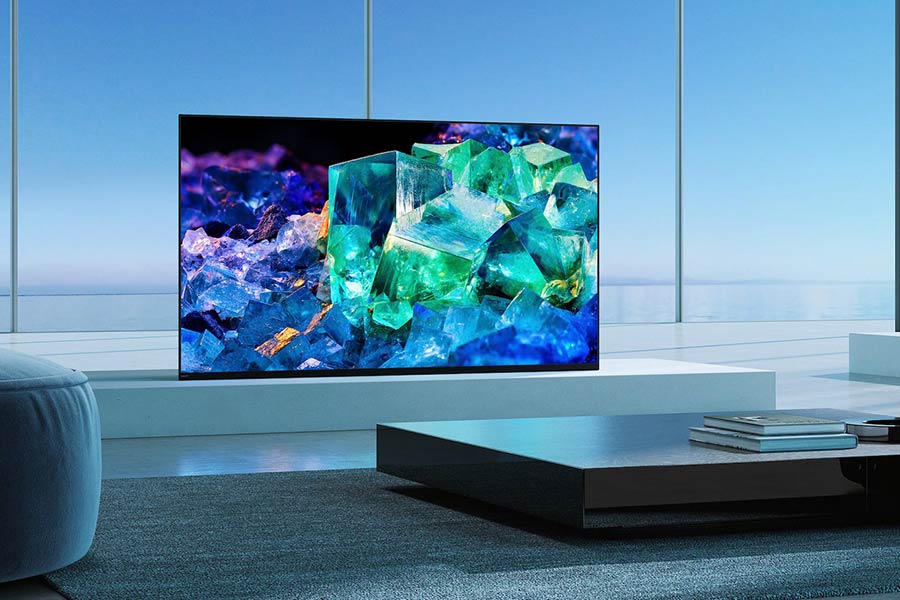
Smart features are integral to modern 4K and 8K TVs, turning your television into a versatile entertainment hub. With built-in WiFi and operating systems like Android TV or Tizen, you can access streaming services such as Netflix, Amazon Prime Video, and Disney+. This connectivity allows for seamless browsing and app installations directly on your TV, enhancing user experience.
Role of Upscaling Features
8K TVs incorporate advanced upscaling technologies that improve the quality of lower resolution content. For instance, Samsung's AI-based upscaling uses machine learning to enhance details and reduce noise in non-8K content. This ensures that even HD or 4K content looks significantly better on an 8K screen, offering a more immersive viewing experience.
Significance of HDR Support
High Dynamic Range (HDR) support is crucial for achieving superior picture quality. Both 4K and 8K TVs benefit from HDR formats like HDR10+ or Dolby Vision, which provide enhanced contrast and color accuracy. HDR technology brings out more detail in both dark and bright scenes, making images appear more lifelike. For example, watching a movie with HDR support allows you to see intricate details in both shadowed areas and brightly lit scenes, creating a more dynamic visual experience.
Budgeting for Your TV Purchase
Factors Influencing the Budget:
When planning a TV purchase, various factors can significantly influence your budget:
- Screen Size: Larger screens generally come with higher price tags. Assess your room size and viewing distance to choose an optimal screen size.
- Picture and Sound Quality: Higher-end models often offer superior picture quality with advanced technologies like OLED or QLED and enhanced sound systems. Prioritize what matters most to you.
Tips for Finding Deals:
Finding the best deals requires strategic timing and awareness of sales events:
- Major Sales Events: Black Friday, Prime Day, and Cyber Monday are prime opportunities to snag discounts on high-end models.
- Price Comparisons: Use online tools and apps to compare prices across various retailers. Websites like CamelCamelCamel can track price history on Amazon.
Exploring Refurbished Options:
Refurbished TVs can provide excellent value without compromising on quality:
- Certified Refurbished Models: Look for certified refurbished products from reputable manufacturers or sellers. These often come with warranties and have been rigorously tested.
- Local Retailers: Check local electronics stores for refurbished stock. Sometimes you might find open-box returns in perfect condition at a fraction of the original price.
By considering these budget strategies, you can make an informed decision that aligns with your financial constraints while still achieving a high-quality viewing experience.
Evaluating Picture Quality Metrics and Sound Technology
When assessing picture quality metrics, consider the following key factors:
- Contrast Ratio: Higher contrast ratios provide deeper blacks and brighter whites, enhancing image depth and detail.
- Refresh Rate Standards: Measured in Hertz (Hz), a higher refresh rate (e.g., 120Hz) ensures smoother motion, crucial for fast-paced content like sports or action movies.
Sound quality is equally vital in creating an immersive viewing experience. Modern TVs integrate advanced sound technology such as:
- Dolby Atmos: This technology delivers multidimensional sound, making you feel like you're part of the action.
- DTS:X: Another high-definition audio format that provides spatial audio and height channels, enriching the auditory experience.
Combining superior picture quality with top-tier sound technology transforms your home theater into a captivating entertainment hub.
Streaming Capabilities, Content Availability, and Future-Proofing Your TV Purchase
Streaming Services Compatibility
Ensuring your 4K or 8K TV has robust streaming capabilities is essential for a seamless viewing experience. Modern TVs often come with built-in apps such as Netflix, Amazon Prime Video, and Disney+. These apps allow you to stream content directly without needing external devices. Look for TVs with WiFi 6 support to ensure fast and reliable internet connectivity, which is crucial for streaming high-resolution content.
Content Library Analysis
The availability of 4K content has grown significantly across various platforms. Netflix, for example, offers a vast library of shows and movies in 4K resolution. Similarly, Amazon Prime Video provides numerous options in both 4K and HDR formats. However, the landscape for 8K content is still evolving. While native 8K media remains scarce, some platforms like YouTube are beginning to offer limited 8K videos. In this context, upscaling technology becomes vital as it enhances lower-resolution content to look better on an 8K screen.
Future-Proofing Your Purchase
To make sure your TV remains relevant, consider features that support future technologies. HDMI 2.1 compatibility is one such feature, providing higher bandwidth to support features like 120Hz refresh rates, making it ideal for next-gen gaming consoles. Additionally, look for TVs that support advanced HDR formats like Dolby Vision and HDR10+ which offer superior color accuracy and contrast.
Investing in a TV with these future-proofing elements ensures you won't need an upgrade soon and can enjoy cutting-edge features as they become mainstream. This strategic approach helps maximize your investment while setting you up for the evolving landscape of digital entertainment.
Researching Models Before Purchase: A Comprehensive Approach
To make an informed decision, you must compare TV models based on several key criteria:
- Size: Determine what screen size fits your space and viewing habits.
- Resolution: Choose between 4K and 8K depending on your content preferences and future-proofing needs.
- Smart Features: Evaluate the smart functionalities, such as app availability and user interface.
Using these model comparison techniques helps in identifying the best fit for your specific requirements. Check reviews, expert opinions, and side-by-side comparisons to see how different models stack up against each other.
Frequently Asked Questions (FAQs) about 4K and 8K TVs
Differences between OLED vs. QLED Technology
OLED (Organic Light Emitting Diode):
- Self-emissive pixels: Each pixel lights up independently, leading to perfect blacks and high contrast.
- Thin panels: Extremely thin and flexible, offering sleek designs.
- Viewing angles: Excellent, with minimal color degradation from side views.
QLED (Quantum Dot Light Emitting Diode):
- Backlit technology: Uses LED backlighting paired with quantum dots for enhanced color accuracy.
- Brightness: Generally brighter than OLEDs, making it suitable for well-lit rooms.
- Lifespan: Typically longer lifespan due to less risk of burn-in compared to OLEDs.
Optimal Viewing Distance Recommendations
4K TVs:
Experts suggest a viewing distance where the screen fills about 30 degrees of your field of view. A general guideline is:
- Screen Size: Multiply by 1.5 to get the optimal viewing distance.
- Example: For a 55-inch 4K TV, sit approximately 6.9 feet away.
8K TVs:
With higher pixel density, you can sit closer without noticing pixelation:
- Screen Size: Multiply by 0.75 to get the optimal viewing distance.
- Example: For a 65-inch 8K TV, an optimal distance would be around 4 feet.
These standards ensure you experience the best picture clarity without straining your eyes.
Making an Informed Decision on Your Next TV Purchase
Staying updated on future trends in TV technology is crucial. Emerging displays like microLED and mini-LED are changing the game, offering brighter screens and using less energy. These advancements can greatly enhance your viewing experience and should be taken into account when deciding between 4K and 8K TVs.
- MicroLED: Offers better contrast and more accurate colors.
- Mini-LED: Improves backlighting for superior picture quality.
By prioritizing these innovations, you ensure your investment remains relevant as new technologies come into play.