
Smart lighting refers to advanced lighting systems that incorporate automated controls and connectivity to improve energy efficiency, comfort, and convenience. These systems typically utilize LED lighting, which offers significant energy savings compared to traditional incandescent bulbs.
Energy-efficient lighting solutions have become crucial in reducing electricity consumption and lowering carbon footprints. By integrating smart technologies like motion sensors, daylight harvesting, and adaptive lighting controls, users can optimize their energy usage more effectively.
Recent advancements in smart lighting technology have transformed the industry. Innovations such as IoT integration, voice command capabilities, and mobile app controls provide users with unprecedented control over their lighting environments. These advancements not only enhance user experience but also contribute significantly to sustainability efforts by minimizing energy waste.
1. The Evolution of Smart Lighting
Lighting technology has come a long way over the years. We started with basic sources like candles and gas lamps, then moved on to electric bulbs thanks to Thomas Edison. But things really took a turn when energy-efficient solutions entered the scene, particularly with the introduction of LED lighting.
From Traditional to Smart Lighting
Traditional lighting systems had their limitations in terms of control and efficiency. However, smart lighting systems completely transformed the game by introducing innovative features such as:
- Dimming capabilities
- Color-changing options
- Remote management functionality
The Impact of IoT Integration
One of the key factors driving modern lighting solutions is the integration of the Internet of Things (IoT). This technology allows for seamless communication between devices, enabling smarter functionalities. With IoT integration, smart lights can be controlled through:
- Mobile applications
- Voice commands
- Automated schedules
This not only brings convenience but also promotes better energy management practices.
The evolution from traditional to smart lighting is driven by two main factors: the need for greater efficiency and designs that prioritize user experience. These developments lay the groundwork for even more intelligent and adaptable lighting solutions in the future.
2. Energy Efficiency in Smart Lighting Systems
Reducing energy consumption is crucial for smart lighting solutions. LED technology plays a significant role in this by offering substantial energy savings. Compared to traditional incandescent bulbs, LEDs use up to 75% less energy and last longer, which means fewer replacements and lower maintenance costs.
Advanced Control Options for Better Energy Efficiency
- Motion Sensors: These sensors ensure that lights are only on when they're needed. In spaces where people come and go throughout the day, such as offices or retail stores, motion sensors can automatically turn off lights in unoccupied areas, saving energy.
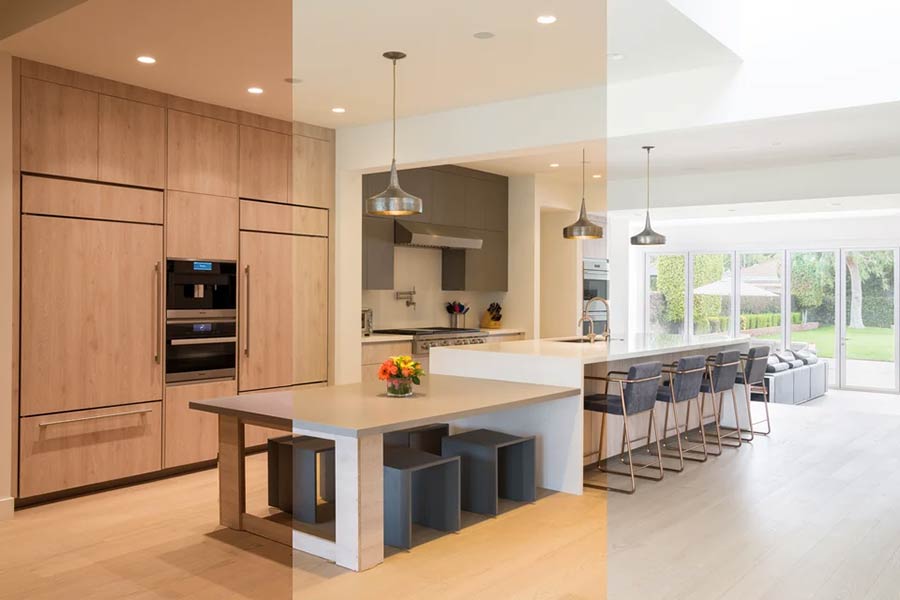
- Daylight Harvesting: This feature adjusts artificial lighting based on the amount of natural light available. When there's plenty of sunlight coming in, the system reduces the brightness of the artificial lights, maintaining a comfortable level of illumination while minimizing unnecessary energy use.
By incorporating these advanced control options into smart lighting systems, we can achieve significant reductions in energy consumption. This not only benefits the environment but also leads to cost savings for businesses and homeowners alike.
3. Human-Centric Design Approach in Smart Lighting Solutions
Human-centric lighting focuses on designing lighting systems that enhance well-being and productivity by aligning with natural human rhythms. This approach goes beyond simple illumination, aiming to positively impact mood, alertness, and overall health.
Definition and Importance
Human-centric lighting (HCL) is a concept where lighting systems are designed to mimic natural light cycles. By adjusting color temperature and intensity, these systems can replicate the changes in sunlight throughout the day. This alignment with natural patterns helps regulate circadian rhythms, leading to better sleep quality and improved mental and physical health.
Effects on Mood and Alertness
Smart Lighting solutions employing HCL principles can:
- Improve Mood: Exposure to appropriate light levels and color temperatures can reduce symptoms of depression and anxiety.
- Enhance Alertness: Adjusting light intensity during the day can help maintain alertness, especially in work environments.
- Boost Productivity: Studies have shown that workers exposed to HCL systems report increased productivity and lower levels of fatigue.
For instance, tunable white LED fixtures allow for the adjustment of color temperature from warm (2700K) to cool (6500K), providing flexibility to create the desired ambiance that supports both relaxation and concentration.
By integrating these features into smart lighting systems, users can create environments that not only illuminate but also promote well-being and efficiency.
4. Control Technologies Changing the Smart Lighting Experience
Smart lighting systems are changing how we interact with our surroundings through advanced control technologies. These systems offer several innovative features that ensure a seamless user experience:
1. Voice Commands Integration
By integrating voice commands with smart lights, users can easily adjust lighting settings without lifting a finger. Platforms like Amazon Alexa, Google Assistant, and Apple Siri allow you to control lights using simple voice instructions. Whether it's turning lights on/off, dimming them, or changing colors, voice commands make the process intuitive and hands-free.
2. Mobile App Control
Mobile apps provide unparalleled convenience for managing your smart lighting setup. Apps from major manufacturers such as Philips Hue, LIFX, and TP-Link Kasa allow users to control their lighting remotely. You can schedule lighting changes, create custom scenes, and even monitor energy consumption directly from your smartphone.
Integrating these control technologies with virtual assistants and smart home platforms enhances the user experience further:
1. Virtual Assistant Integration
Virtual assistants like Amazon Alexa and Google Assistant are not just limited to voice commands; they serve as centralized hubs for all your smart devices. This integration means you can create routines that combine lighting control with other smart home functions, such as adjusting thermostats or playing music.
2. Smart Home Platforms
Platforms like Apple's HomeKit or Samsung's SmartThings consolidate various smart devices under one ecosystem. This integration allows for more cohesive automation and management of multiple devices from a single interface.
These advancements in control technologies make smart lighting systems not only convenient but also adaptable to your lifestyle needs.
5. Data-Driven Optimization Strategies for Smart Lighting Systems Performance Enhancement
Data analytics play a crucial role in optimizing smart lighting systems. Collecting data allows you to fine-tune performance for energy efficiency and user comfort.
Key Benefits of Data Collection:
- Energy Usage Analysis Techniques: By examining energy consumption patterns, you can identify inefficiencies and make adjustments to reduce waste.
- Occupancy Patterns: Sensors track when rooms are occupied, allowing lights to switch on only when needed. This minimizes unnecessary usage.
- Environmental Conditions: Adjustments based on natural light levels ensure artificial lighting complements daylight, saving energy and enhancing comfort.
Practical Applications:
- Smart Sensors: Devices that detect motion, occupancy, and ambient light conditions feed data into the system for real-time adjustments.
- Centralized Control Systems: Platforms that aggregate data from various sensors provide insights into overall performance, enabling more informed decisions.
Analyzing these different data points leads to a more efficient, tailored lighting experience that aligns with both environmental goals and user needs.
6. The Future Looks Bright: How Li-Fi Technology is Advancing and Its Potential Uses in Smart Lighting
Li-Fi technology, short for Light Fidelity, is a revolutionary advancement in wireless communication. Unlike traditional Wi-Fi that uses radio waves, Li-Fi employs visible light waves to transmit data. This innovative approach enables ultra-fast data transfer rates, providing a dual function of lighting and high-speed internet connectivity.
Key Features of Li-Fi Technology
- High-speed Data Transfer: Leveraging the visible light spectrum, Li-Fi can deliver data at speeds exceeding conventional Wi-Fi.
- Enhanced Security: Light waves cannot penetrate walls, reducing the risk of unauthorized access.
- Energy Efficiency: Utilizing existing LED infrastructure for both illumination and data transmission reduces additional energy consumption.
Potential Applications in Smart Lighting
- Indoor Positioning Systems: Li-Fi can provide precise location-based services within buildings.
- Smart Homes and Offices: Seamless integration with smart lighting systems enhances user experience through combined lighting and connectivity solutions.
- Healthcare Facilities: Reliable and secure data transmission without electromagnetic interference benefits sensitive environments.
By integrating Li-Fi technology into smart lighting systems, you unlock new dimensions of functionality while maintaining energy efficiency and enhancing user convenience.
7. Sustainable Practices Driving Innovation in Smart Lighting Design Principles
Smart lighting systems increasingly prioritize eco-friendly materials selection criteria to reduce environmental impact. This involves:
- Utilizing recyclable and biodegradable materials: Components made from such materials ensure that end-of-life disposal is less harmful to the environment.
- Minimizing the use of hazardous substances: Choosing materials free from toxins like mercury or lead aligns with global environmental standards.
- Emphasizing durability and longevity: High-quality, long-lasting materials reduce the frequency of replacements, leading to less waste over time.
- Designing for disassembly: Creating lights that can be easily taken apart aids in recycling and repurposing efforts.
By incorporating these sustainable practices, smart lighting continues to innovate while prioritizing ecological responsibility.
8. Future Developments Shaping the Landscape of Smart Lighting Industry
Anticipated advancements are set to redefine how we interact with smart lighting systems. Wireless charging capabilities integration is one of the most anticipated innovations, promising to enhance convenience significantly. Imagine a world where your smart lights charge wirelessly, reducing the need for constant battery replacements or cumbersome wiring setups.
- Personalized Lighting Experiences: Future developments aim to create highly customizable lighting environments tailored to individual preferences.
- Advanced Sensors: Enhanced sensors will provide more accurate data on occupancy and environmental conditions, boosting energy efficiency.
These advancements will continue to drive innovation in the smart lighting industry, offering solutions that are both user-friendly and environmentally conscious.
Conclusion: Embracing the Bright Future Ahead with Intelligent Light Solutions That Benefit Both People And Planet!
Smart Lighting is changing how we light up our homes and workplaces. It offers not just greater convenience but also significant benefits for energy efficiency and sustainability. By using advanced technologies like IoT, data analytics, and human-centered design principles, smart lighting systems provide customized solutions that adjust to our needs while minimizing environmental impact.
Key Benefits of Smart Lighting:
- Energy Efficiency: Using LED technology and advanced controls like motion sensors and daylight harvesting ensures substantial energy savings.
- Human-Centric Design: Aligning light patterns with natural cycles enhances mood, productivity, and overall well-being.
- Advanced Control Technologies: Seamless integration with voice commands, mobile apps, and virtual assistants provides an intuitive user experience.
- Data-Driven Optimization: Collecting and analyzing data on occupancy and environmental conditions optimizes system performance for better energy management.
Li-Fi technology promises a revolutionary leap in wireless communication using light waves. This innovation could transform indoor positioning, internet connectivity, and data transfer applications in smart lighting.
The role of intelligent light solutions in promoting sustainability emphasizes the importance of choosing eco-friendly materials and designing for recyclability. The future of smart lighting holds exciting developments like wireless charging capabilities and personalized lighting experiences that will drive the industry forward.
Embrace this bright future with smart lighting solutions that benefit both people and the planet. As technology advances, so too does our ability to create sustainable, efficient, and human-centric environments that illuminate our lives in smarter ways.