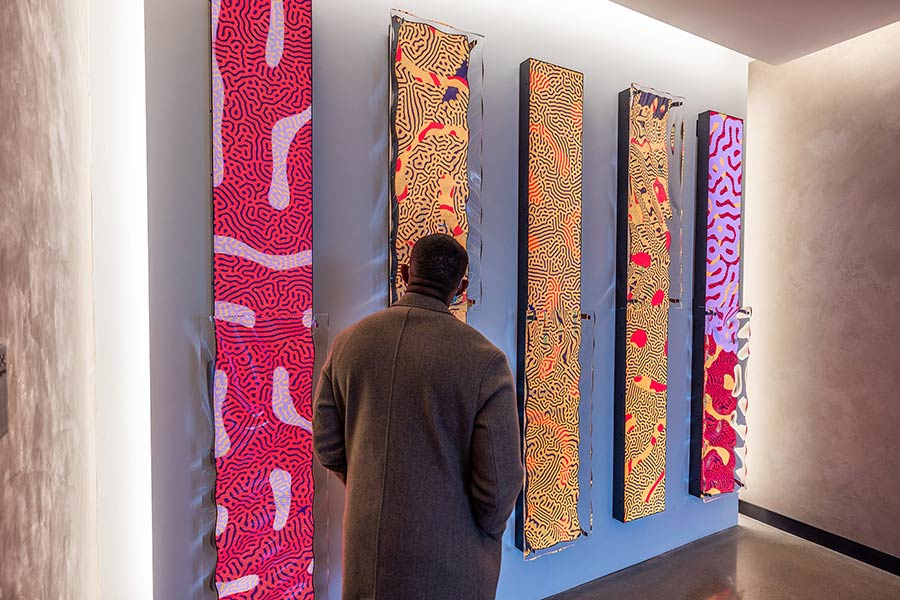

Layered lighting refers to the strategic use of different types of lighting—ambient, task, and accent—to create a balanced, functional, and visually appealing space. In luxury design, this technique is essential for elevating the overall atmosphere and highlighting key elements within a room.
Importance of layered lighting in luxury spaces:
- Enhances visual interest: By combining various light sources, you can create depth and dimension.
- Boosts functionality: Each layer serves a specific purpose, from general illumination to focused task lighting.
- Elevates aesthetics: Thoughtfully placed lights can highlight architectural features or prized possessions.
This article delves into practical tips for implementing layered lighting effectively in luxury environments. You'll gain insights on:
- Ambient lighting techniques
- Task lighting solutions
- Accent lighting approaches
- Illumination strategies for corridors and stairs
- Benefits of centralized control systems

Understanding Layered Lighting Concepts
Layered lighting involves using different types of lighting to create a well-balanced and visually appealing environment. There are three main types of layered lighting: ambient, task, and accent lighting. Each type serves a specific purpose and contributes to the overall atmosphere of a space.
1. Ambient Lighting
Ambient Lighting is the primary source of light in a room. It provides general illumination and fills the space with a comfortable level of brightness. Ambient lighting is usually achieved through ceiling-mounted fixtures like recessed downlights or chandeliers. Natural light from windows can also play a significant role in ambient lighting.
"Ambient lighting sets the stage for other lighting layers, ensuring the room is adequately lit without overwhelming harshness."
2. Task Lighting
Task Lighting focuses on illuminating specific areas where activities such as reading, cooking, or working occur. This type of lighting is functional and practical, designed to improve visibility and reduce eye strain. Common examples of task lighting include desk lamps, under-cabinet lights in kitchens, and vanity lights in bathrooms.
"Task lighting enhances functionality by focusing light where it's needed most."
3. Accent Lighting
Accent Lighting highlights particular elements within a space to draw attention and create visual interest. It is more concentrated than ambient or task lighting and is often used to spotlight art pieces, architectural features, or decorative objects. Track-mounted projectors and integrated millwork lighting are excellent choices for accent lighting.
"Accent lighting adds depth and character by highlighting key features."
Each type of layered lighting contributes uniquely to a balanced and visually engaging environment:
- Ambient lighting provides general illumination.
- Task lighting enhances functionality by focusing light where it's needed most.
- Accent lighting adds depth and character by highlighting key features.
Together, these layers create a harmonious blend that elevates the aesthetic quality of luxury spaces.
Layered lighting plays a crucial role in enhancing the luxury status of an interior. By strategically combining different types of lights, you can achieve a sophisticated ambiance that caters to various activities and moods while highlighting the room's best features.

Exploring Benefits of Layered Lighting
Layered lighting offers numerous advantages for both functionality and aesthetics, especially in luxury spaces. Incorporating multiple layers of light ensures a well-balanced and visually appealing environment.
Advantages of Incorporating Multiple Layers of Light
- Enhanced Ambiance: By combining ambient, task, and accent lighting, you create depth and dimension in a room. This multi-dimensional approach makes the space more inviting and comfortable.
- Improved Functionality: Each layer serves a specific purpose. Ambient lighting provides general illumination, task lighting focuses on workspaces or reading areas, and accent lighting highlights art pieces or architectural features.
- Aesthetic Appeal: Layered lighting allows you to play with shadows and highlights, adding texture and interest to a room. This is particularly important in luxury spaces where every detail matters.
- Increased Flexibility: With multiple light sources, you can adjust the lighting scheme to suit various activities or occasions. Whether you're hosting a dinner party or enjoying a quiet evening at home, layered lighting adapts to your needs.
Dynamic Layered Lighting
Dynamic layered lighting takes flexibility to another level by allowing you to shift color temperature and intensity.
- Mood Setting: Adjusting the color temperature can change the atmosphere from warm and cozy to bright and energizing. This capability is ideal for creating different moods within the same space.
- Customizable Intensity: Dimmer switches and smart controls enable you to fine-tune the brightness of each fixture. This ensures optimal lighting conditions for any activity, enhancing both comfort and functionality.
Dynamic layered lighting not only elevates the aesthetic appeal but also provides practical benefits that make luxury spaces more enjoyable and adaptable.
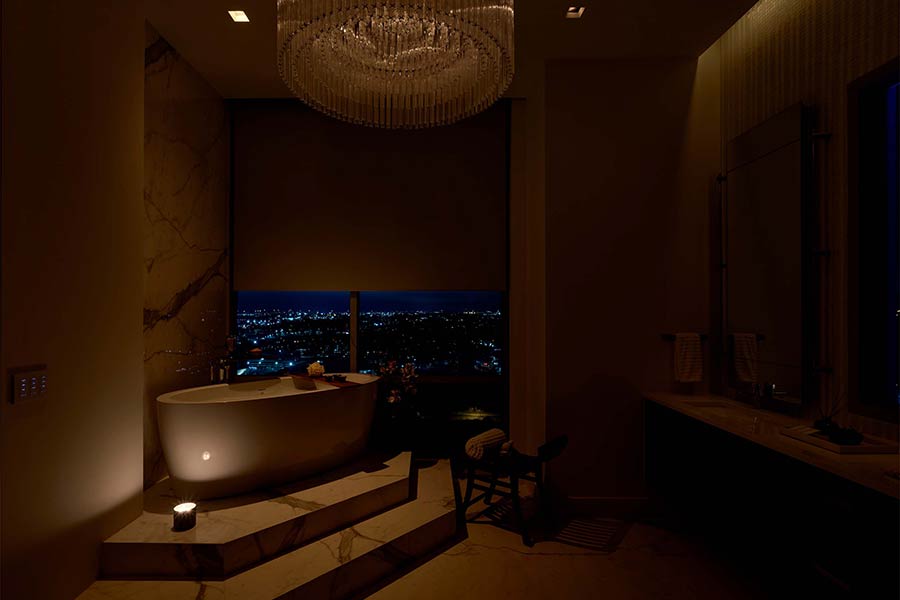
Implementing Layered Lighting Tips for Luxury Spaces
1. Ambient Lighting Techniques
Sources of ambient lighting and their effects on space
Ambient lighting serves as the primary source of general illumination in luxury spaces, creating a base layer that ensures the entire area is well-lit. Sources of ambient lighting include:
- Daylight from windows: Natural light is the most desirable form of ambient lighting. It provides a sense of spaciousness and enhances the overall aesthetic by highlighting architectural features and décor.
- Recessed downlights: These fixtures are installed into the ceiling, offering unobtrusive general lighting that can be evenly distributed throughout the space.
- Cove lighting: Installed in recessed areas such as ceilings or walls, cove lighting offers soft, indirect illumination that adds a sophisticated touch to luxury interiors.
Importance of natural light in luxury spaces
Natural light plays a crucial role in luxury design, offering several benefits:
- Visual appeal: Sunlight enhances colors, textures, and materials used in interior design, making them appear more vibrant and dynamic.
- Health benefits: Exposure to natural light improves mood and supports circadian rhythms, contributing to overall well-being.
- Energy efficiency: Utilizing daylight reduces reliance on artificial lighting during daytime, leading to energy savings.
Architectural elements such as large windows, skylights, and glass doors can maximize the influx of natural light, creating an inviting atmosphere.
Examples of effective ambient lighting fixtures
When it comes to achieving effective ambient lighting in luxury spaces, consider these fixtures:
- Chandeliers: Often seen as statement pieces, chandeliers provide both functional illumination and artistic flair. They are ideal for grand entryways or dining rooms.
- Flush mount ceiling lights: Suitable for spaces with lower ceilings, these fixtures offer broad coverage without intruding on headroom.
- Pendant lights: Versatile and stylish, pendant lights can be used individually or in clusters to create focal points while delivering ample light.
Incorporating dimmable options allows for greater control over brightness levels, adapting the ambiance to different times of day or activities. Balance between different sources ensures a harmonious blend of natural and artificial light, enhancing both functionality and aesthetics in luxury spaces.
2. Task Lighting Solutions
Task lighting is a practical type of illumination designed to brighten specific surfaces or areas where activities occur. It enhances functionality by providing focused light, ensuring tasks are performed efficiently without straining the eyes.
Selecting Fixtures Based on User Positioning
When implementing task lighting in luxury spaces, it's crucial to consider user positioning within the space. The goal is to position fixtures so that they effectively illuminate the work area without casting shadows or causing glare. For instance:
- Desk Lamps: Ideal for home offices or study areas.
- Under-Cabinet Lights: Perfect for kitchen countertops.
- Vanity Lights: Essential for bathrooms, ensuring even lighting for grooming activities.
Examples of Task-Oriented Fixtures
To enhance functionality, consider these task-oriented fixtures:
- Adjustable Desk Lamps: Offer flexibility with adjustable arms and heads, directing light precisely where needed.
- Recessed Downlights: Provide unobtrusive overhead lighting that can be directed towards work surfaces.
- Pendant Lights: Used over kitchen islands or dining tables, offering direct light while adding aesthetic appeal.
By strategically placing these fixtures, you create a well-lit environment tailored to specific tasks, enhancing both functionality and luxury.
3. Accent Lighting Approaches
Accent lighting plays a crucial role in luxury spaces by highlighting areas of interest and creating visual focal points. This type of lighting is essential for adding depth and dimension, transforming a room from functional to extraordinary.
Techniques for Using Accent Lights Effectively:
- Art Displays: Use accent lights with a narrow beam angle to focus on artwork. Track-mounted projectors are ideal for this purpose, as they offer flexibility in positioning.
- Architectural Features: Integrated millwork lighting can emphasize unique design elements such as textured walls or intricate moldings.
- Sculptures and Installations: Spotlights can be used to draw attention to sculptures or other significant installations, enhancing their presence within the space.
Examples of Accent Lighting Fixtures:
- Track-Mounted Projectors: These fixtures provide adjustable lighting that can be directed precisely where needed, making them perfect for highlighting art pieces or specific zones within a room.
- Integrated Millwork Lighting: Custom-built into cabinetry or shelving, this type of lighting adds an understated yet impactful glow to architectural features.
- Recessed Downlights: Often used for general illumination, recessed downlights can also serve as accent lights when strategically placed to highlight specific areas.
By incorporating these techniques and fixtures, you can elevate the ambiance of any luxury space, ensuring that every detail gets the attention it deserves.
Corridors and Stairs Illumination
Importance of well-lit corridors and staircases in luxury homes
Corridors illumination and stairs illumination are critical for both safety and aesthetics in luxury homes. These transitional spaces often serve as connectors between different rooms, making it essential to ensure they are well-lit to prevent accidents and enhance the overall ambiance.
Tips for integrating layered lighting into these transitional spaces
- Ambient Lighting: Utilize ceiling-mounted fixtures or recessed downlights to provide general illumination along corridors and staircases. This ensures a consistent light level, eliminating shadows that could obscure steps or create an uninviting atmosphere.
- Task Lighting: Install step lights or integrated handrail lighting on staircases. These not only enhance safety by illuminating each step but also add a touch of sophistication. Consider wall-mounted sconces in hallways to brighten the path while complementing the interior design.
- Accent Lighting: Use accent lights to highlight architectural features such as artwork, sculptures, or decorative moldings within these spaces. For example, LED strip lights can be discreetly installed along the baseboards or under stair treads to create dramatic effects.
Layering these types of lighting ensures corridors and staircases are not only safe but also visually appealing, contributing to the luxury status of the home.
Centralized Control Systems for Layered Lighting
Overview of Centralized Control Systems
Centralized control systems streamline the management of layered lighting, offering a unified platform to adjust various light sources. These systems allow you to calibrate lighting to create different moods and hierarchies within your luxury space.
Key Benefits:
- Efficiency: Easily manage all lighting layers from a single interface.
- Customization: Tailor lighting scenes to suit specific activities or times of day.
- Energy Savings: Optimize light usage to reduce energy consumption.
Enhancing Flexibility and Personalization
Modern technology enhances the flexibility and personalization of layered lighting in luxury spaces. By integrating smart home platforms, you can control lighting through mobile apps, voice commands, or automated schedules.
Technological Advances:
- Smart Sensors: Detect occupancy and adjust lighting accordingly.
- Voice Assistants: Use devices like Amazon Alexa or Google Home for hands-free control.
- Mobile Apps: Customize and save your preferred lighting settings.
Investing in a centralized control system not only simplifies the management of ambient, task, and accent lighting but also adds a layer of sophistication to your luxury home. This seamless integration ensures that every corner of your space is perfectly lit to match your needs and enhance the overall ambiance.
Conclusion
When implementing layered lighting tips in luxury spaces, consider a personalized approach that aligns with your unique needs and preferences. Tailor each layer—ambient, task, and accent lighting—to enhance the functionality and aesthetics of your environment. Investing time and thought into layered lighting can transform any space into a sophisticated, visually captivating sanctuary. Embrace the potential of light to create an atmosphere that reflects both luxury and personal style.