
Window shades are an essential element of home design. They offer both practical benefits and visual appeal, greatly impacting the atmosphere of your living spaces. By choosing the right types of window shades, you can effectively control natural light, ensure privacy, and elevate your home decor.
Importance of Window Shades in Home Design
Window shades serve several important purposes in home design:
- Light Management: Window shades help control the amount of natural light entering a room. This can reduce glare, protect furnishings from UV damage, and create a comfortable environment.
- Privacy: Depending on the type chosen, window shades can offer varying levels of privacy, making them ideal for different areas of your home.
- Temperature Regulation: Certain materials and designs can aid in maintaining indoor temperatures by reducing heat gain during summer and heat loss during winter.
Brief Overview of Different Types of Window Shades
There are various types of window shades available to suit different needs and preferences:
- Roman Shades: Known for their versatility and near blackout performance.
- Solar Shades: Ideal for light control and UV protection.
- Venetian Blinds: A classic choice for adjustable privacy and light management.
- Mini Blinds: Space-saving solutions perfect for smaller windows.
Contribution to Light Management and Aesthetics
In addition to their functional benefits, window shades also enhance the overall look of your home. They come in a wide range of fabrics, colors, and textures that can either match or enhance your existing decor. By thoughtfully selecting window shades, you can achieve a pleasing balance between practicality and visual appeal.
Types of Window Shades
Window shades come in various types, each designed to cater to different aesthetic preferences and functional needs. Understanding the features and benefits of each type can help you make an informed decision for your home.
1. Roman Shades
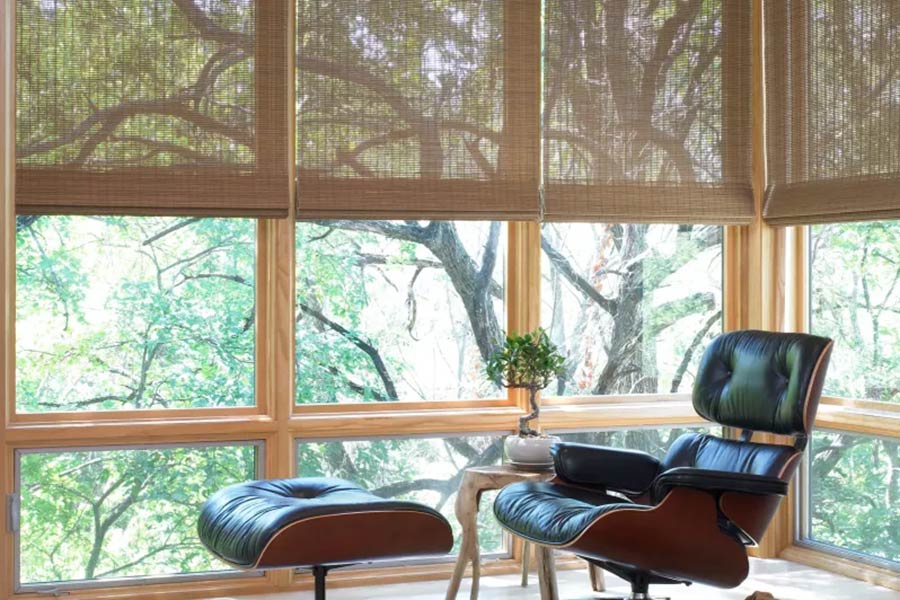
Roman shades are known for their versatility and near blackout performance. They are made from a continuous piece of fabric that folds neatly when raised and lies flat when lowered.
Pros:
- Versatility: Available in a range of fabrics, colors, and patterns.
- Near Blackout Performance: Ideal for bedrooms or media rooms where light control is crucial.
- Aesthetic Appeal: Adds a soft, elegant look to any room.
Cons:
- Maintenance: Can be challenging to clean due to the fabric material.
- Cost: Custom-made Roman shades can be expensive.
2. Solar Shades
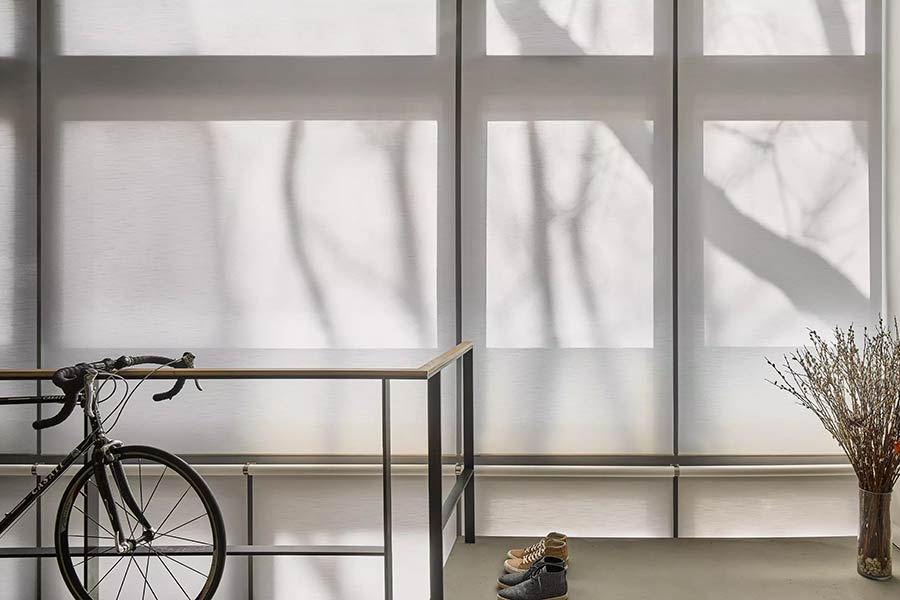
Solar shades are designed to control light while providing UV protection. They are often made from a special screen-like material that filters sunlight without blocking the view.
Pros:
- Light Control & UV Protection: Reduces glare and protects furniture from fading.
- Energy Efficiency: Helps in maintaining indoor temperature by reducing solar heat gain.
- Visibility: Allows you to enjoy outdoor views while managing light levels.
Cons:
- Privacy: Does not offer complete privacy at night when lights are on inside.
- Limited Aesthetic Options: Generally available in neutral colors and simple designs.
3. Venetian Blinds
Venetian blinds are a classic choice for those seeking privacy and light adjustment. These blinds feature horizontal slats that can be tilted to control the amount of light entering the room.
Pros:
- Light Adjustment: Easy to adjust slats for varying light levels.
- Privacy: Excellent for maintaining privacy while allowing some light in.
- Durability: Made from materials like wood, aluminum, or PVC, which are long-lasting.
Cons:
- Cleaning: Requires regular cleaning as slats can accumulate dust.
- Complexity: Can be more challenging to operate compared to other window treatments.
4. Mini Blinds
Mini blinds are a space-saving solution perfect for smaller windows. They function similarly to Venetian blinds but with narrower slats.
Pros:
- Space-Saving: Ideal for compact spaces due to their slim profile.
- Affordability: Generally more affordable than other types of window treatments.
- Easy Installation: Simple and quick to install, making them a convenient option.
Cons:
- Durability: Often made from thinner materials, which may not be as durable as other options.
- Aesthetic Limitations: Limited design options compared to other types of window shades.
Choosing the right type of window shade involves balancing aesthetics with functionality. Roman shades offer elegance and near blackout conditions, solar shades provide excellent light control and UV protection, Venetian blinds allow precise light adjustment and privacy, while mini blinds serve as a cost-effective solution for smaller spaces. Each type has its unique advantages and drawbacks, making it essential to consider your specific needs before making a decision.
Specialized Window Shades for Unique Spaces
Importance of Custom Solutions for Irregularly Shaped Windows
Windows come in various shapes and sizes, often requiring specialized solutions to address their unique needs. Irregularly shaped windows, such as curved or angled designs, pose challenges in terms of light management and aesthetics. Custom window shades offer tailored solutions that ensure a perfect fit, enhancing both the functionality and appearance of the space.
Options Available for Curved and Angled Windows
Several options cater specifically to curved and angled windows:
- Curved Windows: These can be paired with flexible tracks that allow shades to follow the window's contour. Motorized roller shades are a popular choice due to their ability to curve along the track without compromising on smooth operation.
- Angled Windows: Fixed frame shades or pleated shades work well for these types of windows. They can be custom cut to match the exact angles, ensuring no gaps are left for light to seep through.
Effectiveness of Tensioned Shades for Skylights
Skylight windows add a beautiful dimension to any room by letting in natural light from above. However, they also present unique challenges in terms of light control and insulation. Tensioned shades are designed specifically for skylights, offering several benefits:
- Light Management: These shades provide superior coverage by maintaining a taut fabric surface that eliminates gaps and reduces light leaks.
- Thermal Regulation: They help in minimizing solar gain during hot months while providing insulation during colder periods, contributing to energy efficiency.
- Ease of Operation: Many tensioned shades are motorized, allowing you to adjust them with remote controls or integrate them into home automation systems. This is particularly useful for high or hard-to-reach skylight windows.
By choosing specialized window shades like these, you can effectively manage light and temperature while maintaining the architectural integrity of your unique window designs.
Key Considerations When Choosing Window Shades
Selecting the right window shades involves evaluating several critical factors to ensure they meet both functional and aesthetic needs.
Assessing Space Usage and Window Orientation
The function of a room significantly influences the type of window shades you should choose. For instance:
- Living Rooms: Often require shades that balance light diffusion with privacy. Sheer fabrics can provide a soft glow while maintaining some level of seclusion.
- Bedrooms: Typically benefit from blackout shades to enhance sleep quality by minimizing light penetration.
- Home Offices: Need shades that reduce glare on screens without darkening the room excessively, making solar shades an excellent choice.
Window orientation also plays a crucial role. East-facing windows receive morning sunlight, while west-facing windows get intense afternoon sun. Shades with high UV protection or reflective surfaces are ideal for these exposures to minimize heat gain and protect interiors from UV damage.
Balancing Aesthetics with Functional Needs
Balancing aesthetics with functionality involves considering how much light you want to let in versus how much glare you need to reduce. Different fabric properties, such as color and openness, affect these aspects:
- Darker Fabrics: Efficient at reducing glare and absorbing UV rays but may cause thermal buildup.
- Lighter Fabrics: Reflect more light and heat, contributing to a cooler room but might not offer as much privacy.
Functional Priorities
- Privacy Needs: Bedrooms and bathrooms prioritize privacy. Opt for shades like cellular or honeycomb designs that offer near-complete opacity.
- Glare Reduction: Home offices or media rooms require effective glare control. Solar shades or Venetian blinds can be adjusted to manage direct sunlight without plunging the space into darkness.
- Energy Efficiency: Cellular/honeycomb shades excel due to their insulating properties, trapping air within their cells to keep rooms warmer in winter and cooler in summer.
Considering these elements ensures your window shades enhance both the form and function of your living spaces effectively.

The Benefits of Automated Window Coverings
Automated window coverings offer significant advantages in managing daylight and anticipating privacy needs. With automation, you can precisely control the amount of natural light entering your space, enhancing comfort and energy efficiency. Imagine having your window shades adjust themselves based on the time of day or the position of the sun, ensuring optimal light levels without manual intervention.
Benefits include:
- Precision Control: Automated systems allow for exact adjustments, providing just the right amount of light for any activity.
- Energy Efficiency: By managing sunlight exposure, automated shades help regulate indoor temperature, reducing the need for artificial heating or cooling.
- Convenience: Automation eliminates the need to manually open and close blinds, a boon for those with busy lifestyles or physical limitations.
For complex or inaccessible windows, such as skylights or high-up windows in vaulted ceilings, automation is invaluable. Motorized mechanisms ensure that even hard-to-reach window coverings operate smoothly and efficiently.
Key points to consider:
- Accessibility: Automated solutions are particularly beneficial for people with mobility issues, offering easy control via remote or smartphone apps.
- Integration: These systems can seamlessly integrate with smart home technologies, providing synchronized control over lighting and shading through a single interface.
Automated window coverings not only enhance functionality but also contribute to a more comfortable and efficient living environment.
Best Materials for Window Shades
Choosing the right material for your window shades impacts both aesthetics and functionality. Different materials offer unique benefits, making them suitable for various needs and preferences. Here are some of the best materials to consider:
1. Cellular/Honeycomb Shades
Energy Efficiency: Known for their energy-saving properties, cellular or honeycomb shades feature a unique structure that traps air within their cells. This design provides excellent insulation, helping to maintain indoor temperatures and reduce energy costs.
Low-Maintenance: These shades are easy to clean and maintain, making them a practical choice for busy households. Their sleek profile when opened also means they take up minimal space.
"Cellular shades not only contribute to energy savings but also offer a modern look that can complement any interior design."
2. Roller Shades
Fabric Properties: Roller shades come in various fabrics, each offering different levels of light transmission and privacy. From sheer fabrics that maximize natural light to blackout options that ensure complete darkness, there's a roller shade for every need.
Versatility: These shades are simple and non-invasive, ideal for larger windows or those with scenic views. They also offer various automation upgrades, enhancing convenience.
3. Wood Blinds
Natural Aesthetics: Wood blinds bring a warm, natural atmosphere to any room. They effectively block UV rays and heat, making them a functional and stylish choice.
Durability: Easy to clean and maintain, wood blinds are a durable option that stands the test of time.
4. Horizontal Sheer Blinds
Light Filtering: Combining sheer fabric with the precision of blinds, horizontal sheer blinds filter sunlight while maintaining an unobstructed view. Available in numerous fabrics, they provide a balance between light control and aesthetic appeal.
Choosing the right material can significantly impact your home's comfort and energy efficiency. Each option offers distinct advantages tailored to specific needs, ensuring you find the perfect match for your space.
Specific Brands and Their Offerings
Lutron stands out in the market with its cutting-edge innovations in automated shading solutions. Their products are designed to seamlessly integrate with modern home automation systems, offering both convenience and energy efficiency.
Highlights of Lutron Products
- Roller Shades: Simple and elegant, these shades are available in various fabrics and textures. They can be upgraded with automation technology, making them ideal for large windows or expansive views.
- Roman Shades: Known for their versatility and near blackout performance. Lutron's Roman Shades can utilize the client's own material (COM) and feature the Intelligent Hembar Alignment™, ensuring uniform height across multiple shades.
- Wood Blinds: These create a warm, natural atmosphere while effectively blocking UV rays and heat. The automation feature allows independent control of lift and tilt, enhancing both functionality and aesthetic appeal.
Performance Collection Features
Lutron's Performance Collection is renowned for its advanced features:
- Sivoia QS Triathlon Honeycomb Shades: These cellular shades trap air for energy savings, offer a thin profile when opened, and include automated operation.
- Tensioned Shades: Ideal for skylights or angled windows. The taut fabric panels reduce light leaks, while the concealed cable guides maintain an unobstructed view when open. Available in five neutral colors to blend seamlessly with any decor.
- Sivoia QS Tension Roller 100: This motorized mechanism provides solar gain reduction, UV protection for furniture, and one-touch control through a keypad or remote. Perfect for ground-level urban environments needing privacy from bottom-up shades.
By leveraging these innovative offerings, you can enhance both the aesthetics and functionality of your home's window treatments.
Conclusion
Choosing the right window shades involves balancing both aesthetic and functional elements to enhance home comfort. Consider factors like light management, privacy needs, and design coherence with your existing decor. Different types of window shades offer unique benefits, making it essential to assess each option based on your specific requirements. By thoughtfully selecting the appropriate shades, you can significantly improve your living environment, ensuring both style and functionality are optimized.