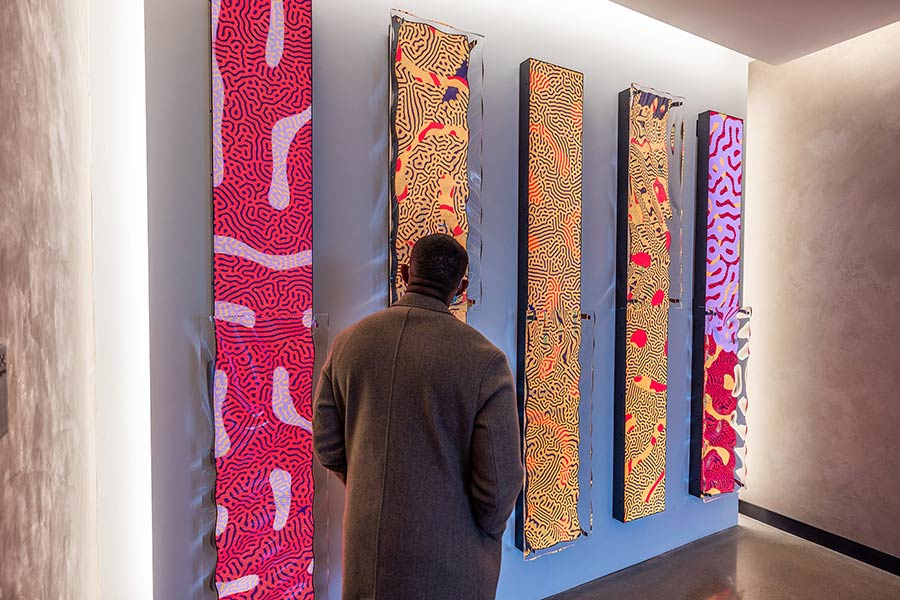

Lighting Design plays a crucial role in creating luxurious environments. Biophilic lighting design brings elements of nature into indoor spaces, aiming to enhance both visual appeal and well-being.
Biophilic lighting design focuses on incorporating natural light, organic shapes, and materials to create a connection with nature. This approach not only beautifies a space but also offers psychological benefits such as improved mood and reduced stress levels.
In luxury spaces, carefully selected lighting choices that include natural elements can completely transform an environment. This article delves into various strategies for enhancing your luxury interiors using biophilic principles. We will cover the following topics:
- The significance of natural light
- Key lighting design elements for luxury spaces
- Innovative indoor and outdoor lighting solutions
- Collaborative approaches between designers and homeowners
- Future trends in smart lighting technology
By the end of this article, you'll gain valuable insights on how to illuminate your luxury space in harmony with nature.
Understanding Biophilic Design
Biophilic design principles focus on incorporating natural elements into built environments to create a stronger connection with nature. In luxury spaces, this means using organic materials, adding water features, and maximizing natural light. The aim is to create a visually appealing environment that also promotes well-being.
Key Principles of Biophilic Design
- Use of Natural Materials: Incorporating wood, stone, and plants.
- Integration of Water Elements: Adding fountains or indoor waterfalls.
- Natural Light Utilization: Maximizing daylight through strategic window placements.
Psychological Benefits
Connecting indoor spaces with nature has significant psychological benefits:
- Improved Mood: Natural elements can elevate mood, providing a sense of calm and relaxation.
- Reduced Stress Levels: Exposure to nature reduces stress hormones, fostering a tranquil environment.
- Enhanced Creativity: Nature-inspired spaces can boost creativity and cognitive function.
By thoughtfully integrating these principles, luxury spaces not only become more beautiful but also contribute positively to mental health.
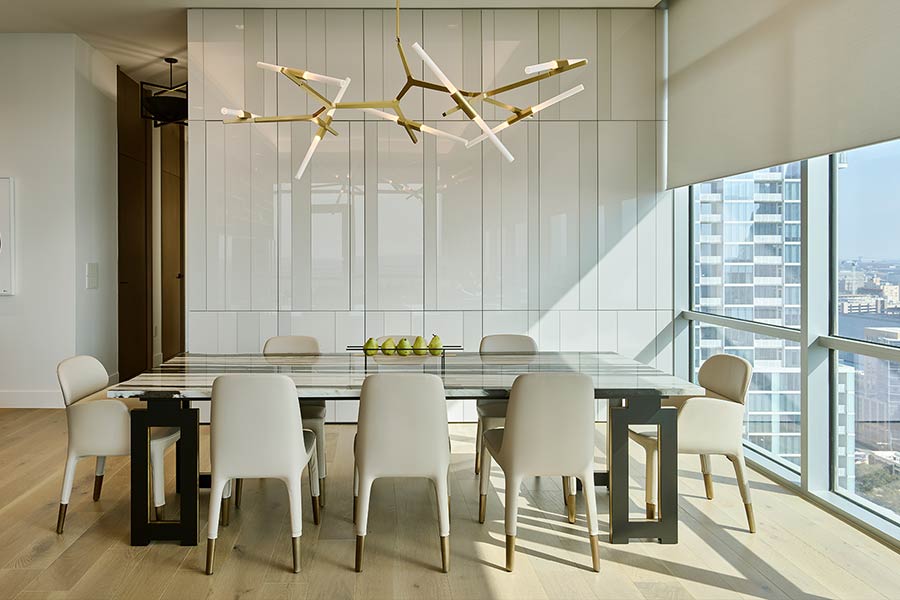
The Role of Natural Light in Biophilic Lighting Design
Importance of Incorporating Natural Light
Integrating natural light into luxury interiors creates a sense of openness and tranquility. It blurs the boundaries between indoor and outdoor spaces, fostering a seamless connection with nature. Natural light in interior spaces not only enhances visual appeal but also improves the overall ambience, making rooms feel larger and more inviting.
Effects on Mood and Energy Levels
Daylight profoundly impacts mood and energy levels throughout the day. Morning sunlight, warm and white, gently wakes you up, setting a positive tone for the day. By midday, bright bluish-white light energizes you, boosting productivity and alertness. As evening approaches, soft amber light relaxes you, preparing your body for rest.
Strategic Window Placement and Glass Installations
Strategic window placement is crucial in maximizing daylight benefits for luxury homes. Large windows and glass installations should be positioned to capture optimal sunlight while minimizing glare. This approach ensures that natural light permeates deeply into living spaces, creating dynamic lighting that evolves with the time of day.
- Window Orientation: South-facing windows can provide consistent daylight throughout the year.
- Glass Types: Low-E glass helps manage heat gain while maintaining visibility.
- Shading Solutions: Automated shades can adjust throughout the day to control light levels effectively.
Incorporating these elements allows you to harness the full potential of natural light in interior spaces, enhancing both aesthetics and well-being.
Key Elements of Effective Lighting Design in Luxury Spaces
Fundamental Lighting Design Principles
Effective lighting design is crucial for enhancing both the aesthetic and functionality of luxury spaces. Key principles include balance, contrast, and layering. Ensuring that light sources are well-distributed reduces harsh shadows and creates a cohesive look throughout the room.
Architectural Lighting Techniques for Luxury Homes
High-end residences often employ specialized architectural lighting techniques to achieve a sophisticated atmosphere:
- Recessed Lighting: Offers a clean, unobtrusive look by embedding fixtures into ceilings or walls. Ideal for creating an even spread of light.
- Pendant Fixtures: Adds a focal point and can serve as both a functional light source and a decorative element.
- Track Lighting: Flexible and versatile, allowing you to direct light precisely where needed without extensive installation.
Layering Light Sources for Ambiance
A well-balanced illumination scheme relies on the strategic layering of different light sources:
- Ambient Lighting: Provides overall illumination, typically through ceiling-mounted fixtures or recessed lights.
- Task Lighting: Focuses on specific areas requiring more intense light, such as kitchen counters or reading nooks. Examples include under-cabinet lights or desk lamps.
- Accent Lighting: Highlights architectural features, artwork, or other focal points in a room. This can be achieved with wall sconces, track lights, or spotlights.
Layering these types of lighting ensures both practical functionality and an inviting ambiance in luxurious interiors.
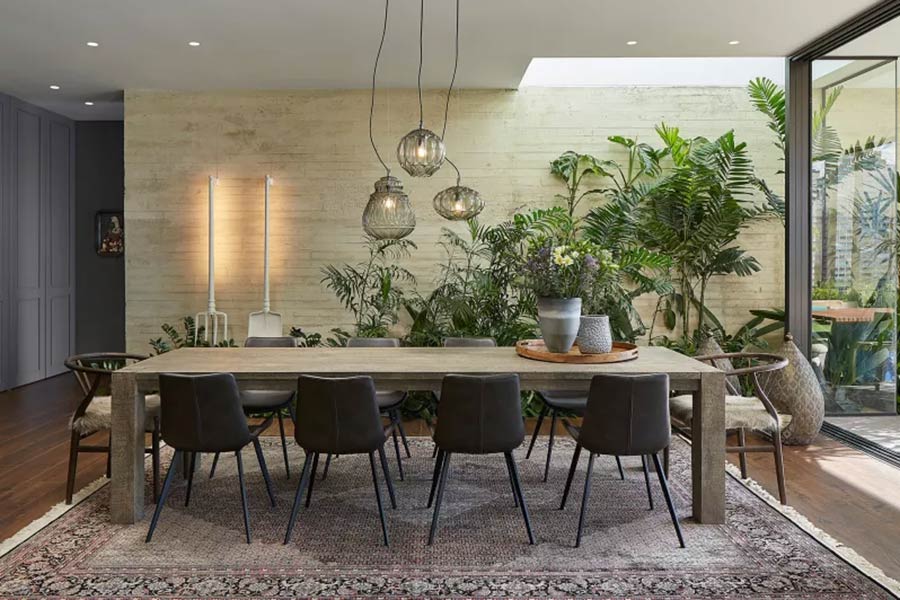
Exploring advanced indoor lighting technologies for luxury homes reveals many options that elevate both visual appeal and comfort.
Smart Controls and Automation
- Voice-Activated Systems: Integrate with platforms like Amazon Alexa or Google Home for effortless control.
- Mobile Applications: Control lighting scenes, intensity, and color temperature from your smartphone.
- Preprogrammed Schedules: Automated systems adjust lighting based on daily routines, optimizing comfort and energy efficiency.
Tunable White LED Systems
- Dynamic Color Temperature: Mimic natural daylight patterns by adjusting from warm to cool hues throughout the day.
- Scene Customization: Create specific atmospheres, such as a "Relax" setting with softer, warmer light or an "Energize" setting with brighter, cooler light.
Human-Centric Lighting
- Circadian Rhythms Support: Aligns artificial light with your body's natural cycles, promoting better sleep and overall well-being.
- Mood Enhancement: Use varying light intensities and colors to influence mood positively, helping to create a serene or invigorating environment.
Incorporating these advanced indoor lighting technologies can significantly enhance the luxurious ambiance of any space.
Seamless Integration of Outdoor Lighting in Luxury Landscape Designs
Creating luxurious outdoor spaces that seamlessly blend lighting with the natural environment requires a thoughtful approach. Outdoor lighting techniques for high-end properties focus on enhancing both aesthetics and functionality without detracting from the landscape's inherent beauty.
Key Techniques:
- Pathway Lighting: Subtle, low-profile fixtures can guide guests along garden paths and driveways, emphasizing the landscape's design elements while ensuring safety.
- Accent Lighting: Highlighting specific features such as sculptures, water features, or architectural elements with focused beams can add drama and visual interest. Adjustable spotlights and well lights are often used for this purpose.
- Uplighting: Placing lights at the base of trees or shrubs to cast light upwards creates striking silhouettes and adds depth to the landscape after dark. This technique is particularly effective for showcasing tall trees and textured plants.
- Moonlighting: Mimicking the gentle illumination of moonlight by installing fixtures high in trees to cast soft, dappled light below. This approach creates a natural ambiance that feels organic and soothing.
- Water Feature Lighting: Using underwater LEDs or strategically placed external lights to highlight ponds, fountains, or pools enhances their sparkle and movement, creating focal points in outdoor spaces.
Practical Considerations:
- Energy Efficiency: LED solutions are favored for their long lifespan and low energy consumption. They offer various color temperatures to match different moods and settings.
- Smart Controls: Incorporating smart automation allows for dynamic control of lighting scenes based on time of day or activity, ensuring optimal illumination at all times.
- Durability: Fixtures must be robust enough to withstand outdoor conditions. Weather-resistant materials like stainless steel or bronze are ideal choices for longevity.
By employing these techniques thoughtfully, you can create an outdoor environment that is both luxurious and harmonious with nature.
Collaborative Approach: Designers and Homeowners Working Together on Biophilic Projects
Collaboration between designers and homeowners in biophilic lighting design is crucial. This partnership ensures that biophilic concepts are tailored to individual preferences and lifestyles, creating spaces that resonate personally and functionally.
Key elements of successful collaboration include:
- Open Communication: Regular dialogue between designers and homeowners helps align visions and expectations. This exchange of ideas fosters innovation and ensures the design meets the homeowner's needs.
- Customized Solutions: Each home is unique. Biophilic lighting solutions should reflect the specific characteristics of the space and the lifestyle of its inhabitants. Customization might involve selecting specific lighting fixtures, adjusting light intensity, or integrating smart controls tailored to daily routines.
- Incorporating Feedback: Homeowners' feedback during the design process can lead to adjustments that enhance comfort and satisfaction. This iterative process helps refine the design to better suit practical use and aesthetic desires.
- Shared Vision: Establishing a shared vision early on helps streamline decision-making. Whether it's prioritizing natural light, selecting materials that evoke nature, or creating specific ambiance settings, a unified approach leads to cohesive and harmonious outcomes.
Engaging homeowners in the planning phases not only personalizes the project but also enhances their connection to the space. The result is a living environment that not only looks luxurious but also feels inherently comfortable and natural.
Future Trends: Smart Systems Harmonizing Daylight with Electric Light Sources in Luxury Homes
Smart lighting solutions for luxury homes are evolving, focusing on harmonizing natural daylight with electric light to create dynamic and responsive environments. Future trends in this space include:
1. Adaptive Lighting Systems
Technologies like Ketra lighting can mimic the sun's natural fluctuations, adjusting color temperature and intensity throughout the day. This helps emulate natural light patterns indoors, promoting well-being and comfort.
2. Automated Shade Controls
Automated shades by companies like Lutron adjust based on the sun’s position, reducing glare and heat gain while preserving natural light benefits. These systems can be pre-programmed or manually adjusted via apps.
3. Integrated Smart Home Ecosystems
Advanced smart home systems integrate lighting controls with other home automation features. This allows for seamless transitions between different lighting scenes tailored to activities or moods.
4. Energy Efficiency
Smart lighting technology not only enhances aesthetics but also improves energy efficiency. Sensors and adaptive controls ensure that artificial lights complement natural light, reducing energy consumption.
These innovations underscore the potential of smart lighting solutions in enhancing luxury living spaces, providing both functional and aesthetic benefits while connecting interiors more closely to the rhythms of nature.