
Integrating automated shades into layered window treatments offers a blend of style and functionality. Automated shades provide the convenience of controlling light and privacy with the touch of a button or through scheduled programs. This seamless control can enhance energy efficiency by optimizing natural light usage, thus reducing utility bills.
Layered window treatments add depth and dimension to your space while allowing for versatile light management. Combining these two concepts creates a sophisticated and practical solution for modern homes.
Key Takeaway: By combining automated shades with layered window treatments, you achieve a stylish, energy-efficient, and highly functional living environment.
Understanding Automated Shades
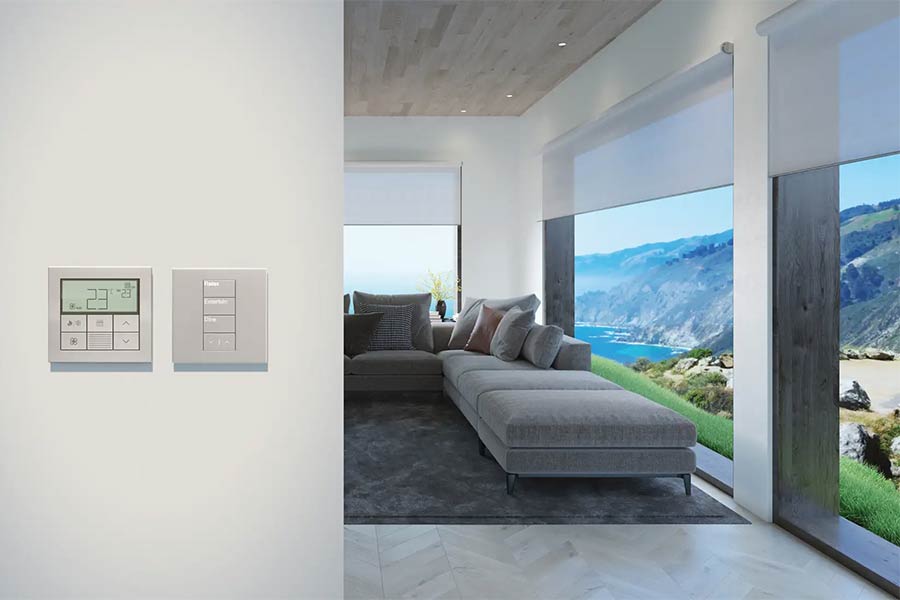
Automated shades, also known as motorized shading, use motors to adjust the position of window coverings with the press of a button or according to a pre-set schedule. This technology allows for easy control over natural light, privacy, and energy efficiency in your home.
Popular Brands
Lutron is a leading brand in the industry, known for its high-quality and innovative products. They were one of the first companies to introduce smart home solutions and offer a wide range of motorized shading options that can seamlessly integrate with existing smart home systems. Lutron's products are known for their dependable performance and advanced features.
Energy Efficiency
Energy-efficient automated shades not only reduce energy bills but also add style to your home. For example, Lutron offers solar screen fabrics with different openness factors (1%, 3%, 5%, 10%) that allow you to control natural light while maintaining the look of your interior. These shades have several benefits:
- Minimize Heat Gain: Block out intense sunlight and lower cooling costs.
- Optimize Natural Light: Automatically adjust based on the time of day to make the most of natural lighting.
- Enhance Insulation: Provide an extra layer of insulation, especially helpful during colder months.
By choosing energy-efficient automated shades, you create a more comfortable living space and contribute to sustainability efforts.
Benefits of Layering Window Treatments
Layering different types of window treatments is a popular choice among homeowners due to the enhanced control it offers. By combining various materials and styles, you can create privacy solutions for windows that are both functional and aesthetically pleasing.
1. Privacy Control
Layered window treatments allow you to adjust each layer independently throughout the day. For instance:
- Sheer drapes during the day let in natural light while maintaining a degree of privacy.
- Blackout shades at night provide complete privacy and block outside light.
This flexibility enables you to tailor your privacy needs based on the time of day and specific activities.
2. Light Diffusion
Achieving optimal light diffusion is another significant benefit. Layered treatments help in:
- Filtering harsh sunlight with sheer drapes or light-filtering fabrics.
- Using roller shades for glare reduction during peak daylight hours.
The result is a balanced ambient light that enhances visual comfort within the space.
3. Visual Comfort
Layered window treatments contribute to visual comfort by allowing for different opacities. Some practical combinations include:
- Sheer + Blackout, which offers the versatility of enjoying natural light when desired and total darkness when needed.
- Honeycomb shades, known for their insulating properties, paired with decorative drapes for added style and function.
These tailored solutions not only improve the room's ambiance but also enhance energy efficiency by managing heat gain and loss effectively.
Choosing the Right Combination: Types of Window Treatments for Layering with Automated Shades
Sheer Drapes
Sheer drapes are a versatile option that adds elegance and softness to any room. These lightweight fabrics allow natural light to filter through, creating a gentle glow while maintaining some level of privacy. They work well with automated shades by providing a diffused light layer during the day.
Rollers
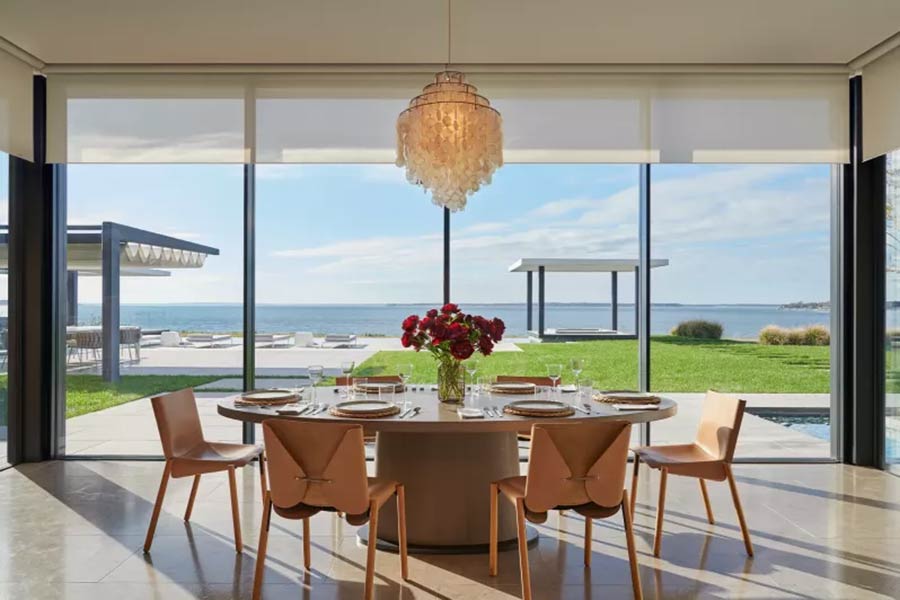
Roller shades offer a clean and modern look, perfect for minimalistic design schemes. They can be easily automated to adjust throughout the day, catering to different lighting needs. Roller shades come in various opacity levels, allowing you to choose how much light and privacy you want.
Blackout Treatments
Blackout treatments are essential for rooms requiring complete darkness, such as bedrooms or home theaters. These shades block 100% of daylight, offering total privacy and significant noise reduction. Combining blackout treatments with sheer drapes or rollers can create a balanced look, giving you the flexibility to switch between total darkness and diffused light.
Honeycomb Shades
Honeycomb shades are known for their energy efficiency due to their unique structure that traps air within their cells. This design helps in regulating room temperature, reducing energy costs. Honeycomb shades can be layered with other treatments like Roman shades to add depth and dimension while benefiting from their insulating properties.
Roman Shades
Roman shades bring a classic and elegant touch to any space. They are available in various fabrics and styles, making them highly customizable. When paired with automated shades, Roman shades offer both aesthetic appeal and functional benefits, such as improved light control and privacy.
By understanding the specific characteristics and benefits of each type of window treatment—sheer drapes, rollers, blackout treatments, honeycomb shades, and Roman shades—you can create a harmonious layered look tailored to your unique needs.
Integrating Automated Shades into Your Design Scheme Effectively
Selecting the Right Color Palette and Fabric Style
When you buy automated shades, choosing the right color palette and fabric style is crucial to ensure they blend seamlessly with your room decor. Consider these factors:
- Furniture Upholstery: Match or complement the colors of your automated shades with your furniture upholstery. For instance, if your furniture features neutral tones, selecting shades in similar hues can create a cohesive look.
- Wall Paint: Harmonize your shades with the wall paint. A room with cool-toned walls may benefit from shades in grey or blue tones, while warm-toned rooms might look better with beige or earth-colored shades.
- Textural Harmony: Choose fabrics that either match or contrast the textures in your room. For example, if you have a lot of smooth surfaces, introducing textured fabrics like linen or bouclé can add depth.
Manual Operation Mechanisms
While integrating automated shades into your home, it’s essential to consider whether you need any manual operation mechanisms. Here are some points to help you decide:
- Ease-of-Use: If you value convenience, fully automated systems controlled by smartphone apps or wall-mounted keypads might be ideal. Brands like Lutron offer advanced controls that allow for precise adjustments.
- Budget Constraints: Automation can be expensive. A hybrid approach combining manual and automated mechanisms may be more cost-effective. For example, install automated shades in frequently used areas like living rooms and bedrooms, while opting for manual options in less-used spaces such as guest rooms.
- Backup Options: Having a manual mechanism as a backup can be beneficial during power outages or system malfunctions. Consider systems that offer easy-to-use manual overrides.
By thoughtfully selecting colors and fabrics and determining the right balance between automation and manual operation, you can create an elegant and functional window treatment scheme that enhances your home's overall aesthetic.

Layering Techniques with Automated Shades: Achieving Style without Compromising Functionality
Layering different opacities such as sheer and blackout shades across multiple windows can create a sophisticated look while ensuring functional benefits. Here are practical strategies to achieve this:
1. Combine Sheer and Blackout Shades
Pairing sheer shades with blackout treatments offers versatility. Sheer shades provide natural light and maintain privacy during the day, while blackout shades offer complete darkness for nighttime or when needed. This combination is ideal for spaces like bedrooms or media rooms.
2. Match Trim Details
Ensure a cohesive aesthetic by matching trim details between adjacent rooms. For instance, if your living room features automated roller shades with a sleek metal trim, extend that same trim style to other window treatments in nearby areas like the dining room or hallway.
3. Control Direct Sunlight
Use layered shading systems to manage glare from direct sunlight during peak hours. Automated solar screens can be programmed to lower at specific times of day, reducing glare and heat without sacrificing natural light. Adding a layer of drapes or Roman shades allows further customization for light control.
4. Coordinate Colors and Patterns
Select complementary colors and patterns for each layer to maintain continuity throughout your space. If your base layer is a neutral-toned roller shade, you might choose patterned drapes in similar hues to add depth without overwhelming the design.
5. Mix Opacity Levels
Utilize varying opacity levels within one space to create different lighting moods. For example, combine light-filtering honeycomb shades with room-darkening drapes in a home office. This setup allows you to adjust lighting based on task requirements—bright for work hours, softer for relaxation.
6. Consider Fabric Durability
Choose fabrics that withstand wear-and-tear over time, especially in areas exposed to direct sunlight. Durable materials like UV-resistant polyester blends can prevent fading and extend the life of your window treatments.
By layering shades effectively, you achieve both style and functionality, ensuring each room not only looks great but also meets your practical needs.
Material Selection Matters: Choosing Fabrics That Work Well Together In A Layered Approach With Automation
Investing time in selecting the right materials for your layered window treatments is essential. The choice of fabrics impacts both the aesthetic appeal and functional performance of your automated shades.
Durability and Performance
1. Durable Fabrics
Opt for fabrics that can withstand wear-and-tear over time. Natural options like linen and silk are excellent but require a blackout lining to prevent bleaching in direct sunlight.
2. UV Protection
Choose fabrics that offer resistance against harmful UV rays. This not only protects your interior furnishings but also enhances the longevity of the window treatment itself. Lutron’s solar screen fabrics, available in various openness factors (1%, 3%, 5%, 10%), provide a range of options for UV protection.
Layering Fabrics
1. Sheer and Light-Filtering Fabrics
These are ideal for filtering light and reducing glare while maintaining high transparency. They can be layered with rollers, honeycombs, drapes, or Roman shades to achieve different lighting effects throughout the day.
2. Room-Darkening and Blackout Treatments
For spaces where complete darkness is required, such as bedrooms or home theaters, room-darkening fabrics block 95-99% of light. Blackout shades achieve total darkness and offer additional benefits like insulation and noise reduction. Combine these with sheer treatments for versatile lighting moods.
Aesthetic Considerations
1. Color Coordination
Ensure that the colors across different layers coordinate well with each other and with other elements in your room decor. This creates a cohesive look that enhances the overall design.
2. Fabric Texture and Opacity
Mixing textures and opacities adds depth to the window treatment. For example, pairing a soft Roman shade with a hard roller shade can create an elegant yet functional combination.
Choosing fabrics that balance beauty and performance ensures that your layered window treatments not only look good but also serve practical purposes effectively.
Automation Features To Consider When Implementing An Intelligent System In Your Home
When integrating automated shades into your window treatments, leveraging advanced automation features can significantly enhance functionality and convenience. Modern smart blind systems, like those from Lutron, offer a range of capabilities that elevate both usability and style.
Intelligent Tilt Alignment Technology
- Consistency: Ensures uniform tilt and lift positions across all blinds in a room.
- Customization: Allows you to adjust blinds via smartphone or wall-mounted keypads.
- Preset Options: Set specific height and tilt angles to match your daily routines or preferences.
Lutron's Intelligent Hembar Alignment (IHA) Feature
- Precision: Maintains alignment within ⅛ inch across multiple shades, eliminating misalignment issues.
- Synchronization: Enables seamless movement of shades in unison, creating a visually pleasing and cohesive look.
Additional Key Features
- Scheduling: Program your shades to move at specific times of the day based on your needs. For instance:
- Lower roller shades during peak sunlight hours for glare reduction.
- Raise Roman shades in the evening for privacy.
- Remote Control: Operate your window treatments from anywhere using a smartphone app. This feature is particularly useful for adjusting settings while away from home.
- Voice Control Integration: Many systems are compatible with voice assistants like Amazon Alexa or Google Assistant, allowing hands-free operation through voice commands.
- Energy Efficiency: Automate shades to optimize energy use by blocking out heat during summer days or retaining warmth during winter nights.
Customization Features
- Color Coordination: Match the color of your automated shades with other elements in your room decor for a seamless look.
- Fabric Selection: Choose fabrics with appropriate openness factors to balance light transmission, glare control, and privacy.
Incorporating these intelligent features ensures that your automated shading system is not only functional but also aligns with your aesthetic preferences. By carefully selecting and utilizing these advanced capabilities, you can create an efficient and stylish environment that enhances everyday living.
Conclusion
Integrating automated shades into your layered window treatments enhances both style and functionality. By understanding the nuances of different materials and automation features, you can create a home environment that is energy-efficient, visually appealing, and tailored to your privacy needs.
- Find Privacy Solutions for Windows: Explore various layers like sheer drapes for light filtering and blackout treatments for total privacy.
- Learn About Energy-Efficient Shades: Consider options like Lutron's solar screen fabrics with different openness factors to manage light transmission and glare control effectively.
- Automated Shades: Tailor the amount of light based on the time of day and specific activities, ensuring maximum comfort.
Explore resources for reliable suppliers offering high-quality products at competitive prices. Access expert advice on installation techniques to perfect your chosen combination scheme. This thoughtful approach will ensure you maximize the benefits of integrating automated shades into your window treatments.