
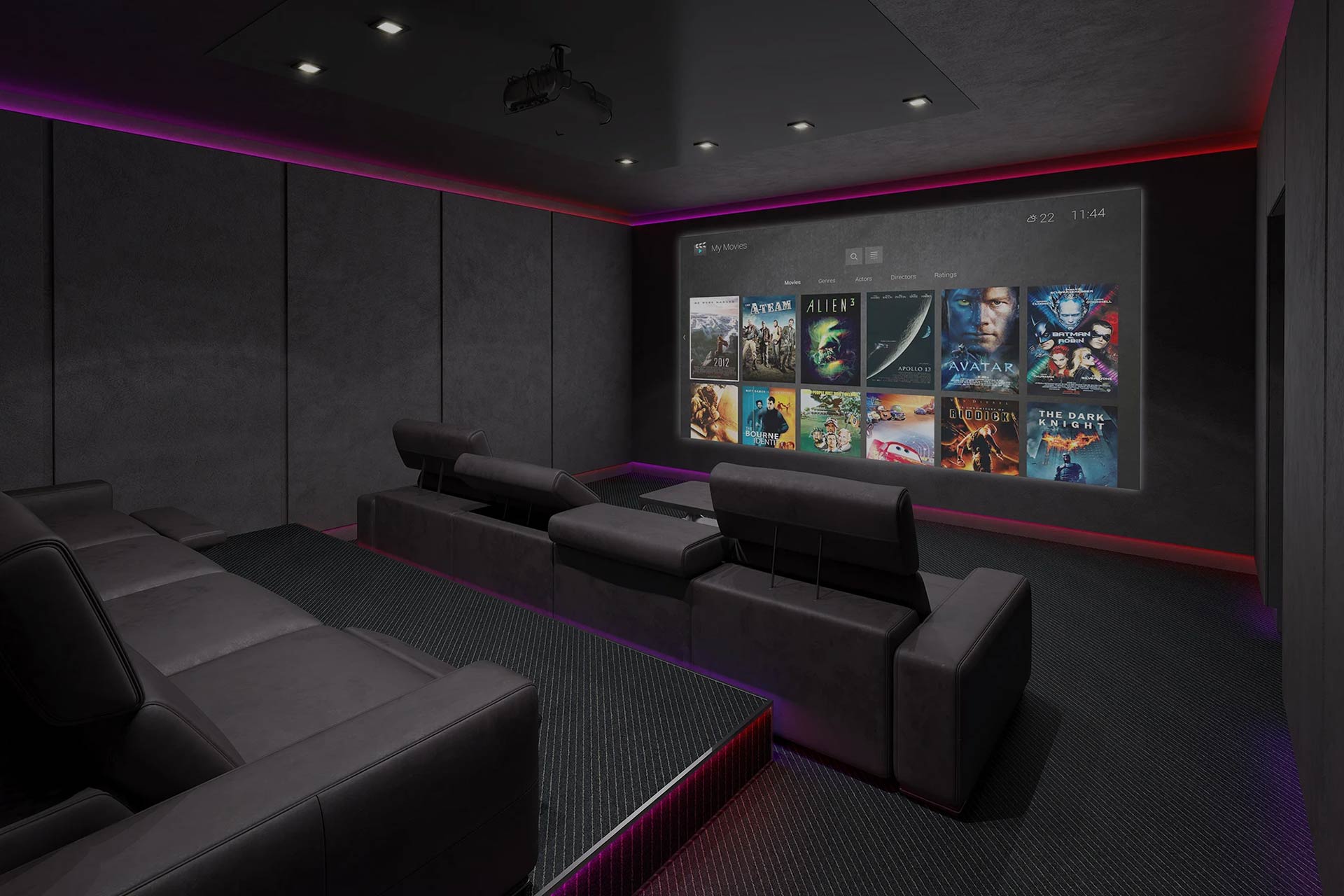
A home entertainment system is more than just a luxury; it's a gateway to immersive experiences that can transform your living room into an entertainment hub. Whether you're a movie buff, a gaming enthusiast, or someone who loves streaming the latest shows, having the right setup can significantly enhance your enjoyment.
The purpose of this article is to guide you through the process of selecting and setting up the ultimate home entertainment system. From choosing the right Smart TV to integrating audio amplifiers and setting up surround sound, we'll cover everything you need to create an unparalleled entertainment experience in your living room.
Choosing the Right Smart TV
The Role of Smart TVs in Modern Entertainment
Smart-enabled TVs have changed the way we enjoy entertainment at home. They combine the power of the internet with television, giving us access to a wide range of streaming services. With the best smart TVs, you can watch shows and movies from platforms like Netflix, Amazon Prime, Hulu, and more, all without needing extra devices. This integration makes it easy and convenient to enjoy your favorite content.
Key Features to Consider When Choosing a Smart TV
When selecting a smart TV, consider the following features:
- Screen Size: Use an online screen size calculator to determine the optimal size for your space. A larger screen isn't always better; it must match your room dimensions for an enjoyable viewing experience.
- Resolution Options: Decide between 4K resolution and 1080p. While 4K offers a crisper image, especially on larger screens (55 inches or more), 1080p might suffice for smaller sizes.
- HDR Compatibility: High Dynamic Range (HDR) significantly enhances picture quality by improving color contrast and brightness levels, providing more lifelike images.
By keeping these factors in mind, you'll be better equipped to choose a smart TV that perfectly fits your home entertainment needs.
Streaming Services Integration
Streaming services have changed the way we watch media, moving us away from traditional cable and towards on-demand platforms. Popular services like Netflix, Amazon Prime, and Hulu offer a wide range of content to suit all tastes.
Advantages of Built-in Streaming Apps on Smart TVs
Built-in streaming apps on Smart TVs provide several advantages:
- Convenience: No need for additional devices or cables.
- Ease of Use: Direct access through the TV's interface.
- Regular Updates: Automatic updates ensure you always have the latest features.
Tips for Managing Multiple Streaming Platforms on Your Smart TV
Managing multiple streaming platforms on your Smart TV is straightforward. Here are some tips:
- App Store Access: Use your TV’s app store to download and install your favorite streaming apps.
- Account Management: Log in with your credentials for each service to personalize your experience.
- Universal Search Functionality: Many Smart TVs offer a universal search feature, allowing you to find content across all installed apps.
Keeping these points in mind will help you make the most of your Smart TV, turning it into an all-in-one entertainment hub.
Understanding Audio Outputs for TVs
When setting up a home entertainment system, understanding the various audio outputs available on Smart TVs is crucial.
Common Audio Outputs
- HDMI ARC/eARC: Allows two-way communication between your TV and audio system, transmitting high-quality audio. Especially useful for surround sound systems.
- Toslink (Optical): Transmits digital audio signals for high-quality sound. Ideal for formats like Dolby Digital and DTS 5.1.
- 3.5mm Audio Jacks and RCA: Typically used for connecting to stereo systems or headphones.
- Bluetooth and Wi-Fi: Enable wireless audio connections, providing flexibility in setup.
The Importance of HDMI ARC/eARC
HDMI ARC (Audio Return Channel) simplifies your setup by using a single HDMI cable to transmit audio from your TV to your amplifier or soundbar. eARC (Enhanced Audio Return Channel) offers even higher bandwidth, supporting advanced audio formats such as uncompressed Dolby Atmos and DTS:X.
Utilizing Toslink for High-Quality Audio Transmission
Toslink, or optical audio, is another robust option for transmitting audio signals. It uses light to transfer data, reducing signal interference and ensuring high-fidelity sound. This makes it ideal for connecting your Smart TV to external speakers or an amplifier, especially when dealing with 5.1 surround sound systems.
By selecting the appropriate audio output options, you can significantly enhance the auditory experience of your home entertainment system, ensuring every movie night is immersive and enjoyable.
Choosing the Perfect Audio Amplifier for Your Home Theater System
Understanding the Function of Audio Amplifiers in a Home Entertainment Setup
Audio amplifiers are essential components in any home theater system, designed to enhance your auditory experience. They take a weak audio signal from your Smart TV or other media sources and amplify it to a level that’s strong enough to drive your speakers, ensuring clear and powerful sound.
Factors to Consider When Selecting an Amplifier
1. Power Output Rating
Matching the amplifier's power output with your speaker capacity is crucial. The power output rating, measured in Watts, determines the amplifier's ability to drive your speakers at higher volumes without distortion. Ideally, the speakers' power handling capacity should be at least 30% higher than the amplifier's output.
2. Frequency Response Range
The frequency response range indicates the range of sound frequencies an amplifier can reproduce. A broader frequency response ensures more accurate sound output, covering everything from deep bass notes to high treble tones. This aspect is vital for achieving high-quality sound.
3. Channels Required Based on Speaker Configuration
The number of channels in an amplifier should match your speaker configuration. For instance:
- 5.1 systems require at least five channels.
- 7.1 systems need seven channels.
Choosing an amplifier with adequate channels ensures each speaker in your setup receives the correct audio signals for a balanced surround sound experience.
Finding the best audio amplifiers for home theater systems involves considering these key factors to ensure optimal performance and compatibility with your setup.
Setting Up Your Surround Sound System Like a Pro!
A well-configured surround sound setup can dramatically enhance your home entertainment experience, making you feel as though you're right in the middle of the action. Here's how you can set up your surround sound system for an immersive sound experience:
Speaker Placement Strategies for Optimal Audio Experience
- Front Speakers: Position your left and right front speakers at ear level, angled towards the seating area.
- Center Speaker: Place this speaker directly above or below your TV to anchor dialogue and center-stage audio.
- Surround Speakers: These should be placed slightly above ear level to the sides or behind the seating area, angled towards the audience.
- Subwoofer: The subwoofer can be placed anywhere in the room, but corners often provide better bass performance.
Calibration Tips for Achieving Balanced Sound
- Use an SPL Meter: A Sound Pressure Level (SPL) meter helps measure and adjust speaker levels for consistent volume across all channels.
- Auto-Calibration Tools: Many modern AV receivers come with built-in calibration tools like Audyssey or YPAO. Follow the on-screen prompts to fine-tune your system automatically.
- Manual Adjustments: Fine-tune settings such as distance, levels, and crossover frequencies manually if needed. Adjust until you achieve a balanced sound field.
By carefully placing and calibrating your speakers, you ensure that every whisper and explosion is heard clearly, providing a truly immersive sound experience.
Comparing Smart TVs and Traditional TVs - Which One Should You Choose?
When you compare Smart TVs and traditional TVs, several key differences stand out. Smart TVs offer integrated internet connectivity, allowing access to streaming services like Netflix, Hulu, and Amazon Prime without external devices. They come with built-in apps, web browsers, and voice control features, enhancing interactivity.
Traditional TVs, on the other hand, lack these advanced functionalities. They serve as basic display units requiring additional gadgets like streaming boxes for internet-based content.
Benefits of Smart Technology
- Content Access: Directly stream movies, series, and music without extra accessories.
- Interactivity: Use voice commands to control your TV or integrate with smart home systems.
- Software Updates: Receive firmware updates that improve functionality and add new features.
Choosing between the two depends on your needs. If you prioritize seamless content access and interactivity within your home entertainment system, a Smart TV is the way to go.
Conclusion: Transform Your Living Room into an Entertainment Hub!
Investing in a high-quality home entertainment system can significantly enhance your living room experience. By integrating top-notch Smart TVs and audio amplifiers, you create a seamless blend of stunning visuals and immersive sound.
- Smart TVs: Unlock a world of streaming content and interactive features.
- Audio Amplifiers: Elevate your auditory experience with crystal-clear sound.
Building the ultimate home entertainment system allows you to enjoy movies, games, and music like never before. Prioritize devices that offer excellent performance, user-friendly interfaces, and compatibility with various streaming services.
"Transform your living space into an entertainment hub that rivals the cinema."
Explore options, compare features, and choose wisely to ensure a setup that meets your needs perfectly.
Consider investing in a high-quality AV receiver that supports the latest audio formats and provides ample connectivity options. Pair it with a set of powerful speakers that deliver immersive surround sound, allowing you to feel every explosion and whisper.
To enhance your music listening experience, consider a dedicated stereo amplifier. Look for one that offers clean and accurate sound reproduction, with enough power to drive your speakers effectively.
Lastly, don't forget about headphones. Opt for a pair that prioritizes comfort, sound quality, and noise cancellation, allowing you to escape into your own world of music or immerse yourself in virtual reality gaming.
Remember, the key is to find a balance between performance and price, ensuring you get the most out of your investment. So start exploring the world of audio amplifiers and take your home entertainment to new heights."